Quick answer: Turmeric is the whole golden spice; curcumin is its best-studied active compound and makes up only a small part of the root. Curcumin on its own is poorly absorbed, so many supplements add black pepper extract (piperine), which raised curcumin levels in the blood by up to 2,000% in one study. The acceptable daily intake for curcumin is 3 mg per kg of body weight, about 210 mg a day for a 70 kg adult. Turmeric in cooking is fine for almost everyone, but avoid concentrated curcumin supplements if you have liver or gallbladder problems, are pregnant, or take blood thinners.
Key facts
- Turmeric: the root of Curcuma longa, used in Indian cooking and Ayurveda for thousands of years
- Curcumin: the main curcuminoid; extracts are often standardised to 95% curcuminoids
- Absorption: low on its own; higher with piperine, fat or special formulations
- Acceptable daily intake: 0–3 mg curcumin per kg body weight (JECFA 2004, confirmed by EFSA 2010)
- UK status: legal food and supplement; no authorised health claims
What is the difference between turmeric and curcumin?
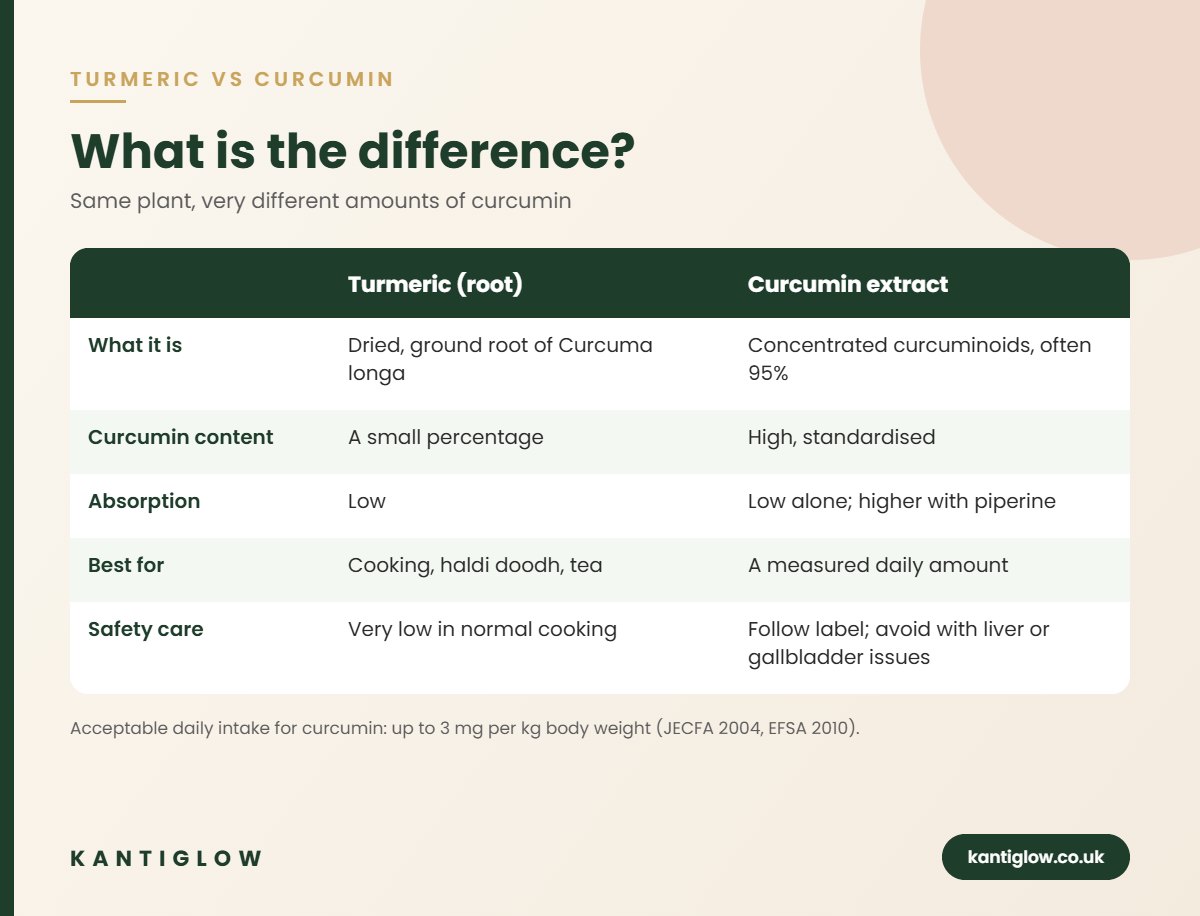
Turmeric is the bright yellow root that gives curry its colour. It contains hundreds of compounds; curcumin is the most studied of them. A spoonful of turmeric in your cooking contains only a small amount of curcumin, while a standardised curcumin extract concentrates it, so one capsule can provide far more curcumin than food does.
| Turmeric (whole root) | Curcumin extract | |
|---|---|---|
| What it is | Dried, ground root | Concentrated curcuminoids, often 95% |
| Best for | Cooking, haldi doodh, traditional use | A measured daily amount |
| Absorption | Low | Low alone; higher with piperine |
| Safety care | Very low in normal cooking | Follow the label; check suitability |
Why do turmeric supplements contain black pepper?
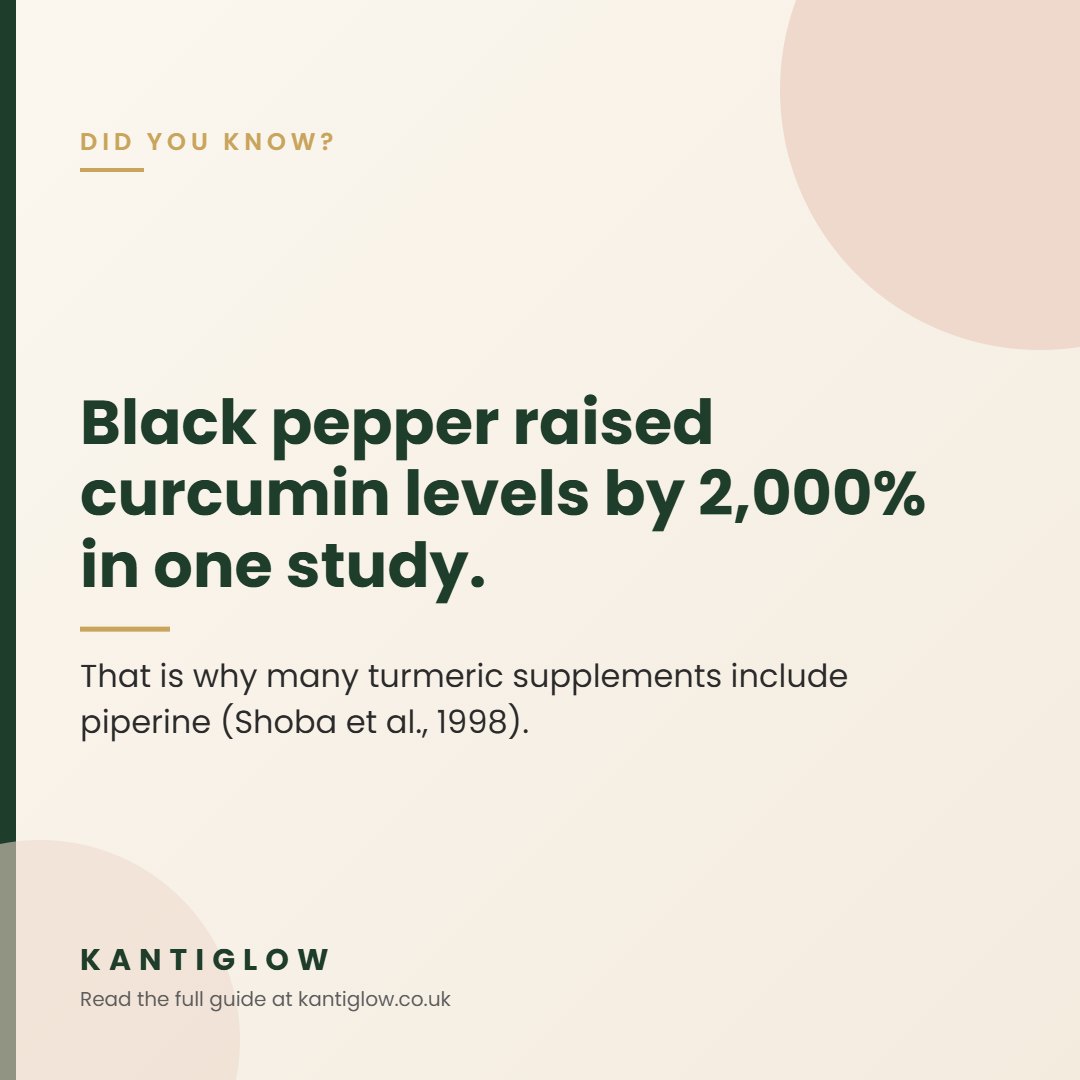
Curcumin is poorly absorbed and quickly broken down by the body. Piperine, the active compound in black pepper, slows that breakdown. In a 1998 study, adding 20 mg of piperine to 2 g of curcumin raised blood levels of curcumin by 2,000% (Shoba et al., Planta Medica). Other products use fat-based or special formulations instead. The UK Committee on Toxicity has noted that enhanced-absorption forms may also change how the body handles curcumin, so they should be used with care. Compare options in BCM-95 vs curcumin with piperine.
How much curcumin is safe?
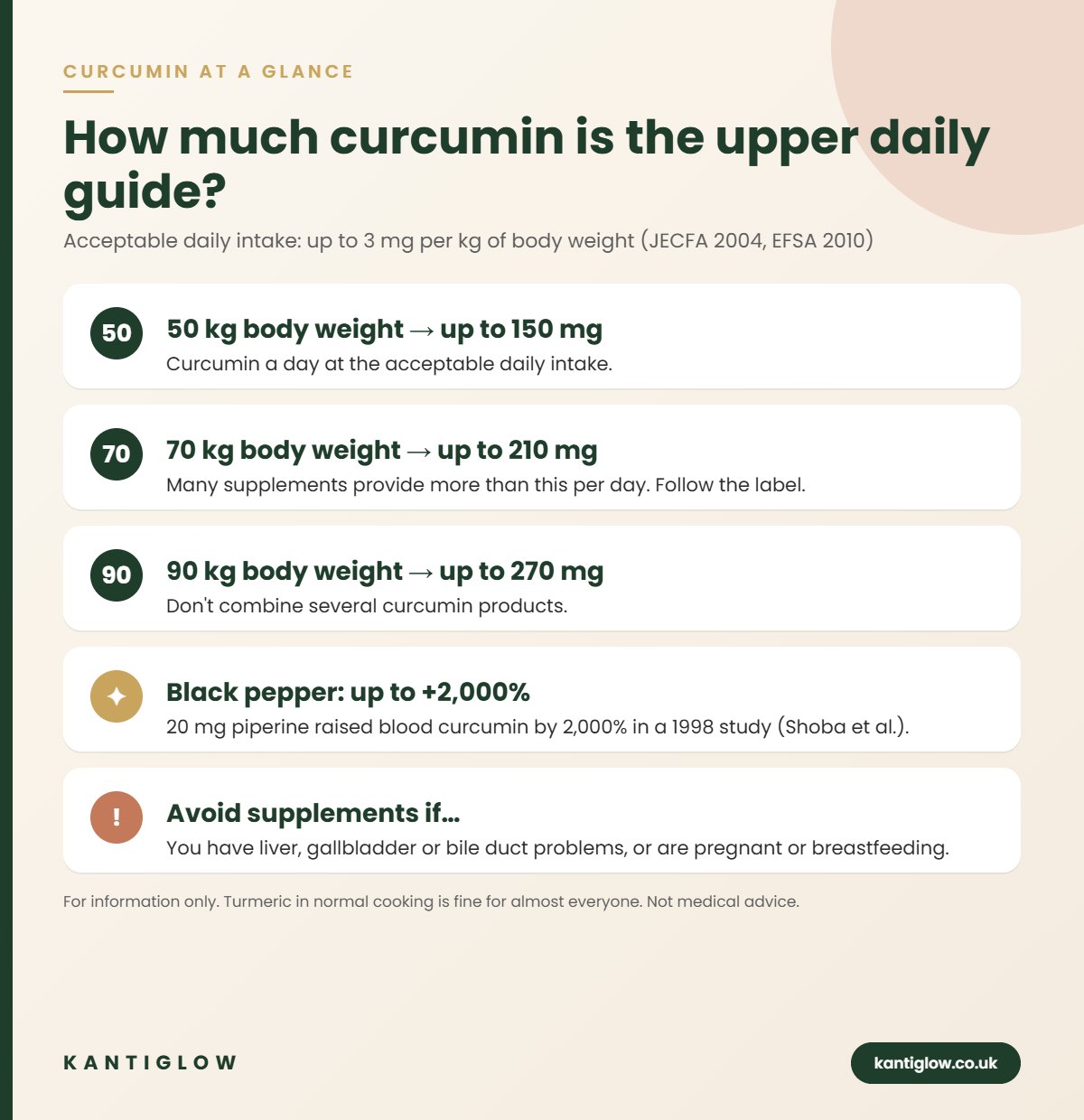
The acceptable daily intake (ADI) for curcumin is 0–3 mg per kg of body weight a day: about 150 mg at 50 kg, 210 mg at 70 kg and 270 mg at 90 kg. Many supplements provide more than this per serving, so follow the label, don’t combine several curcumin products, and don’t take high doses for long periods without advice.
Our turmeric and curcumin picks
£27.99
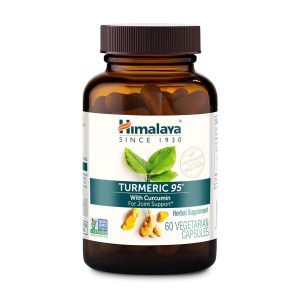
£8.99
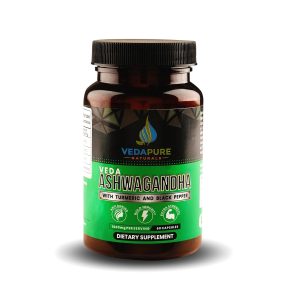
£15.99
Is turmeric safe? Who should avoid curcumin supplements?
Turmeric in cooking is safe for almost everyone. Concentrated supplements are different: Italy recorded 21 cases of liver inflammation linked to turmeric and curcumin supplements in 2018–2019, and France has also received reports. These cases are rare, and individual sensitivity may play a part.
Avoid curcumin supplements if you: have liver disease, gallstones or a bile duct problem; are pregnant or breastfeeding; or are under 18. Ask your GP or pharmacist first if you: take blood thinners such as warfarin or anti-platelet medicines, take diabetes medicines or other regular prescriptions, or are due to have surgery. Stop and see a doctor if you notice yellow skin or eyes, dark urine or persistent stomach pain.
How to make haldi doodh (golden milk)
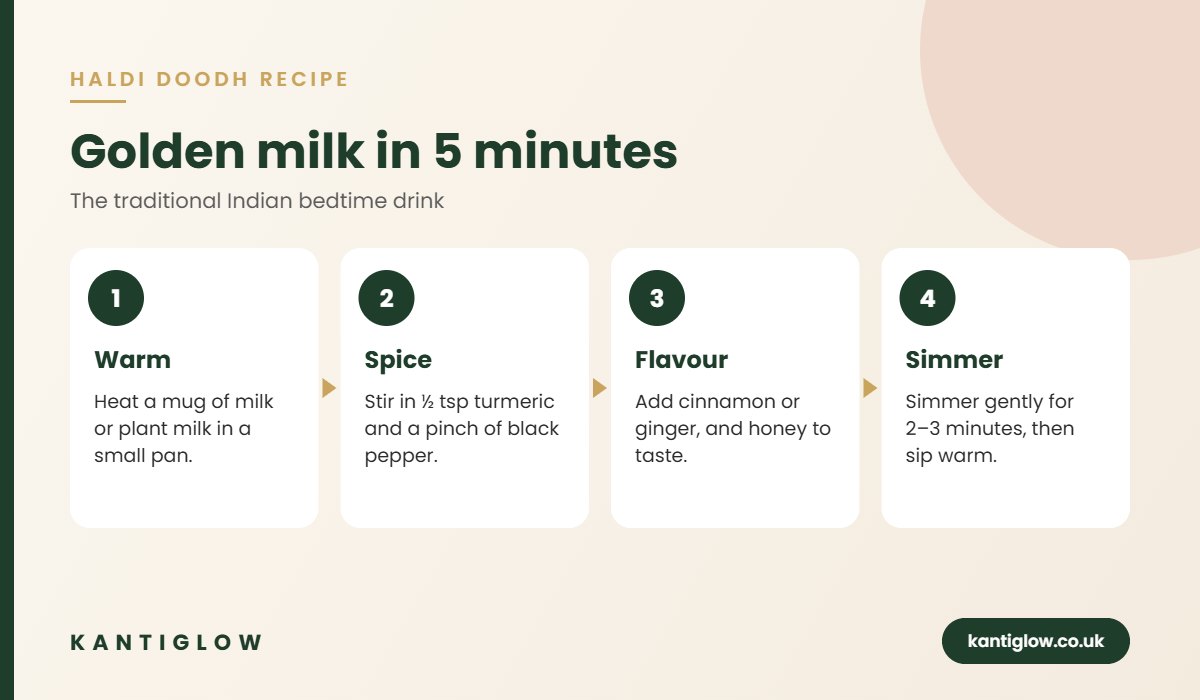
- Warm a mug of milk or plant milk in a pan.
- Stir in ½ teaspoon ground turmeric and a small pinch of black pepper.
- Add a little cinnamon or ginger, and honey to taste.
- Simmer gently for 2–3 minutes and drink warm.
Make it a habit with our 30-day golden milk challenge, or compare joint-support options in glucosamine vs turmeric vs boswellia.
£109.00
£37.99
Frequently asked questions
Is turmeric the same as curcumin?
No. Turmeric is the whole spice. Curcumin is its main active compound and makes up only a small part of the root.
Which is better, turmeric or curcumin?
It depends on your goal. Turmeric suits cooking and traditional drinks. Curcumin extracts give a concentrated, measured amount but need more care with safety.
How much curcumin is in turmeric?
Only a small percentage of the dried root is curcumin. That is why supplements use standardised extracts.
What does 95% curcumin mean?
The extract is standardised to contain 95% curcuminoids, the group of active compounds that includes curcumin.
Why is black pepper added to turmeric?
Piperine in black pepper slows the breakdown of curcumin. In one study it raised blood curcumin levels by 2,000%.
How much black pepper should I add to turmeric?
In cooking or golden milk, a small pinch is enough. Supplements usually contain a few milligrams of piperine extract.
How much turmeric should I take a day?
As a spice in food, normal amounts are fine. For curcumin supplements, the acceptable daily intake is up to 3 mg per kg of body weight, about 210 mg for a 70 kg adult.
Is 1,000 mg of turmeric a day safe?
It depends whether it is whole turmeric or a curcumin extract. For curcumin, compare the amount to the acceptable daily intake for your body weight and follow the label.
When is the best time to take turmeric supplements?
Take them with a meal that contains some fat, which can help absorption.
Should I take turmeric in the morning or at night?
Either. Taking it with your main meal is easiest to remember and helps absorption.
How long does turmeric take to work?
There is no set time, and there are no authorised health claims for turmeric in the UK. Take it consistently at the label dose.
Can turmeric damage your liver?
Rarely. There are reports of liver injury linked to concentrated curcumin supplements. Avoid them with a liver condition, and stop if you notice yellow skin or eyes or dark urine.
Who should not take turmeric supplements?
People with liver, gallbladder or bile duct problems; pregnant or breastfeeding women; under-18s; and people on blood thinners unless their GP agrees.
Can I take turmeric with blood thinners?
Ask your GP or pharmacist first. Curcumin may affect how some blood thinners and anti-platelet medicines work.
Can I take turmeric while pregnant?
Turmeric in normal cooking is fine. Avoid concentrated curcumin supplements while pregnant or breastfeeding.
Can I take turmeric with diabetes medication?
Check with your GP or pharmacist first.
What are the side effects of turmeric supplements?
Some people get an upset stomach, nausea or loose stools. Rarely, liver problems have been reported.
Is turmeric good for joints?
Turmeric is traditionally used in Ayurveda for joint comfort, and curcumin is being studied for this. There are no authorised health claims for turmeric in the UK.
Is turmeric anti-inflammatory?
Curcumin is being studied for its effects on inflammation, but there are no authorised health claims, so supplements cannot claim to reduce inflammation.
What is the best form of curcumin?
There is no single best form. Options include extracts with piperine, fat-based formulas and branded forms such as BCM-95. Choose a reputable brand and follow the label.
What is BCM-95?
BCM-95 is a branded curcumin extract combined with turmeric oils, designed to improve absorption without piperine.
Can I take turmeric and ashwagandha together?
Many people do, and some products combine them. If you take medication or have a medical condition, ask a pharmacist first.
Can I take turmeric with other supplements?
Usually yes, but don’t take several curcumin products at once. Ask a pharmacist if you take medication.
Can I use turmeric powder instead of capsules?
Yes, for cooking and golden milk. Powder gives much less curcumin than an extract.
How do I make golden milk?
Warm a mug of milk, stir in half a teaspoon of turmeric and a pinch of black pepper, add cinnamon and honey to taste, and simmer for 2–3 minutes.
Does turmeric stain?
Yes. Turmeric can stain clothes, worktops and teeth. Rinse quickly.
Is turmeric vegan?
Turmeric is a plant. Check capsule shells and other ingredients.
Is organic turmeric better?
Organic certification tells you how it was farmed, not how much curcumin it contains. Check the curcumin content and testing too.
Can I give turmeric supplements to my child?
We don’t recommend concentrated curcumin supplements for under-18s. Turmeric in normal family cooking is fine.
Can turmeric interact with iron?
Some research suggests curcumin may reduce iron absorption. If you have low iron, ask your GP before taking curcumin supplements.
How should I store turmeric supplements?
In a cool, dry place, with the lid closed, out of children’s reach.
Is turmeric tea as good as capsules?
Turmeric tea is a pleasant traditional drink but contains much less curcumin than an extract.
Are Indian turmeric brands good quality?
Established brands such as VAHDAM and Himalaya state their curcumin content clearly. Check the label and buy from a trusted retailer.
Does curcumin have UK health claims?
No. There are no authorised health claims for turmeric or curcumin in the UK.
Where can I buy turmeric curcumin in the UK?
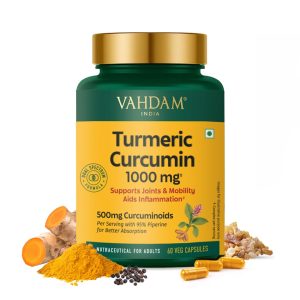
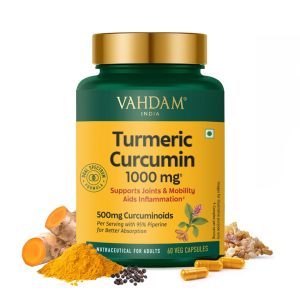
KantiGlow stocks VAHDAM Turmeric Curcumin 95% and Himalaya organic turmeric, delivered across the UK.
This guide is for general information only and is not medical advice. Food supplements are not intended to diagnose, treat, cure or prevent any disease and should not replace a varied, balanced diet and healthy lifestyle. Speak to your GP or pharmacist before taking a supplement if you are pregnant, breastfeeding, taking medication or have a medical condition. Last updated: 14 October 2026.
Pingback: Ayurvedic Daily Routine for Over-50s (UK Guide) | KantiGlow
Pingback: 30-Day Golden Milk Challenge: Turmeric (UK) | KantiGlow
Pingback: Boswellia (Shallaki) UK Guide: Forms & AKBA | KantiGlow
Pingback: Glucosamine vs Turmeric vs Boswellia | KantiGlow