Milk thistle is one of the five best-selling supplements in Britain, and almost every product sold under it is marketed with a word the UK rules do not allow: ‘detox’. Ayurveda has its own bitter Himalayan root in the same tradition, kutki, which almost no one in the UK has heard of. This guide explains what both are, how they are traditionally taken, and what a compliant seller can and cannot tell you about them.
The plan at a glance
- Milk thistle: Silybum marianum seed; extracts standardised to silymarin (typically 70–80%)
- Kutki: Picrorhiza kurroa root; a bitter Himalayan herb in the Ayurvedic tradition
- Both: no authorised UK health claim; traditional-use description only
- Typical use: milk thistle 200–400mg extract daily; kutki 250–500mg or ¼–½ tsp powder, as labelled
- Timing: with meals
Quick answers
- What is milk thistle?
- What is kutki?
- Why can’t sellers say ‘liver detox’?
- How do I take milk thistle?
- How do I take kutki?
- Who should avoid them?
- What is the Ayurvedic view of bitter herbs?
- Milk thistle or kutki — which should I choose?
What is milk thistle?
Milk thistle (Silybum marianum) is a purple-flowered thistle from the Mediterranean whose seeds have been used in European herbal tradition for around two thousand years. Modern products are seed extracts standardised to a group of compounds called silymarin, usually at 70–80%. It is one of the most-sold supplements at UK high-street chains.
What is kutki?
Kutki (Picrorhiza kurroa) is a small Himalayan plant whose bitter root is used in classical Ayurveda; it appears in many traditional formulas and is categorised among the tikta (bitter) herbs. It is sold as powder, capsules and tablets from Ayurvedic brands and is far less known in the UK than milk thistle, which is exactly why some people want it.
Why can’t sellers say ‘liver detox’?
Because neither milk thistle nor kutki has an authorised health claim on the GB Nutrition and Health Claims Register, and ‘detox’ is treated as an unauthorised general health claim. A product that says it cleanses, supports or detoxes the liver is breaking UK advertising rules, and the ASA has ruled on this. The only compliant description is traditional use. Choline is the one nutrient with an authorised claim in this area (‘contributes to the maintenance of normal liver function’, at 82.5mg per serving) — it is not in milk thistle or kutki.
How do I take milk thistle?
Follow the pack: most UK products direct one capsule of 200–400mg standardised extract once or twice daily with food. Look for the silymarin percentage on the label; ‘800mg milk thistle’ on the front often means seed powder rather than extract.
How do I take kutki?
As labelled: typically 250–500mg in capsules once or twice daily with meals, or a quarter to half a teaspoon of powder in warm water. It is intensely bitter; capsules avoid the taste. Start at the low end.
Who should avoid them?
Anyone with a diagnosed liver condition should be under a clinician’s care rather than self-supplementing. Milk thistle is in the daisy family, so avoid it with a ragweed or daisy allergy. Pregnant, breastfeeding, or on medication? Ask a pharmacist first — both herbs are traditionally used with caution alongside prescription drugs.
What is the Ayurvedic view of bitter herbs?
Ayurveda organises food and herbs by six tastes, and bitter (tikta) is the one it considers most under-eaten in a modern diet. Kutki, neem, guduchi, turmeric and bitter gourd all sit in this group, which the tradition associates with lightness and with pitta and kapha routines. The advice is simply to include a little bitter taste daily — a small portion of bitter greens, a pinch of turmeric, a cup of a bitter herbal tea — rather than to take large doses of any single bitter herb.
Milk thistle or kutki — which should I choose?
If you want the widely sold, standardised, extensively labelled product, milk thistle extract with a stated silymarin percentage is the easier choice, and it is what most UK shoppers buy. If you specifically want to follow the Ayurvedic tradition, kutki is its herb in this space, sold as a powder or capsule by Ayurvedic brands. There is no reason to take both, and no compliant seller can tell you one is more effective — because neither has an authorised claim. Choose by tradition and by which label you trust.
Shop this plan at KantiGlow
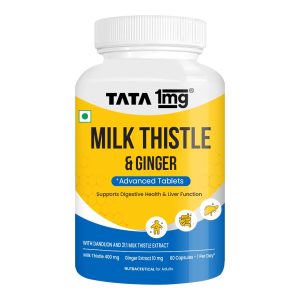
- Tata 1mg Milk Thistle (Silymarin)
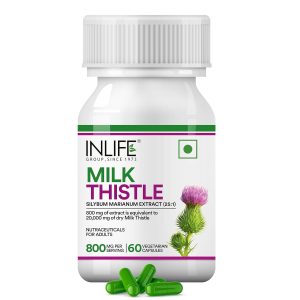
- INLIFE Milk Thistle 800mg
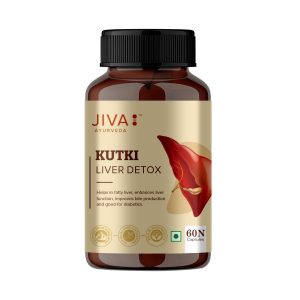
- Jiva Ayurveda Kutki Tablets
- Attar Ayurveda Kutki Powder
- Gaurveda Kutki Powder
All products are authentic Indian and UK-labelled brands, sourced directly from India and dispatched within 24–72 hours (UK delivery typically 5–7 working days).
Related guides
Food supplements are not a substitute for a varied, balanced diet and a healthy lifestyle. Do not exceed the recommended daily dose. Keep out of reach of young children. If you are pregnant, breastfeeding, taking medication or under medical supervision, consult a healthcare professional before use. This guide describes traditional Ayurvedic routines and UK labelling rules; it is not medical advice, and nutrient claims apply only to products whose labels show the qualifying amount.
Shop the products in this guide
- Tata 1mg Milk Thistle 70% Silymarin Capsules 60 — £13.99
- Gaurveda Kutki Powder 100g — £9.99
- Himalaya Organic Turmeric Curcumin Capsules 60 — £8.99
Lab-tested, vegetarian, shipped from India. Food supplements should not replace a varied diet.