Products for women’s life stages are the fastest-growing segment of the UK supplement market, and most of them make claims that UK rules do not permit. Ayurveda’s contribution is quieter: a single herb, shatavari, regarded in the tradition as the women’s rasayana, and a routine that changes with the month rather than fighting it. This guide sets that routine out, pairs it with the one nutrient that has an authorised UK claim relevant to menstruating women — iron — and stays within the rules.
The plan at a glance
- Daily: shatavari (powder in warm milk, or tablets) — traditional women’s rasayana, no UK claim
- Evening: ashwagandha, especially in the second half of the month
- Week of the period: warmth, rest, lighter food, ginger tea
- Iron: contributes to normal formation of red blood cells and haemoglobin (authorised); consider if your diet is low in it
- Kit option: The Women’s Foundation Kit
Quick answers
- What is the monthly routine?
- What is shatavari and why is it ‘the women’s herb’?
- Which nutrient claims are actually allowed?
- Can I take shatavari and ashwagandha together?
- What about menopause or PCOS?
- Is shatavari safe in pregnancy or when breastfeeding?
- How is shatavari traditionally taken?
- What Ayurvedic habits go with the routine in the period week?
What is the monthly routine?
Days 1–5 (period): warm food, ginger tea, gentle movement, an earlier night; shatavari continues. Days 6–14: the fuller-energy fortnight in the Ayurvedic view — the time for harder training and bigger tasks; shatavari and amla in the morning. Days 15–28: keep shatavari; add ashwagandha in the evening with warm milk; protect sleep in the final week. The point is a rhythm that repeats, not a fix.
What is shatavari and why is it ‘the women’s herb’?
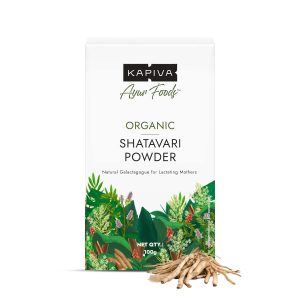
Shatavari (Asparagus racemosus) is a wild asparagus root whose Sanskrit name is usually translated ‘she who has a hundred husbands’. In Ayurveda it is the classic rasayana associated with women’s wellbeing at every stage of life, traditionally taken as powder in warm milk. It has no authorised UK health claim, so we describe its traditional role only. Our shatavari guide covers forms and brands.
Which nutrient claims are actually allowed?
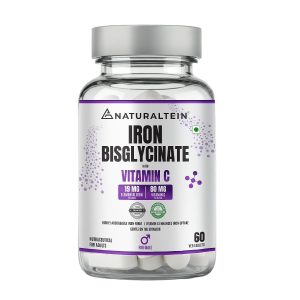
Iron — contributes to normal formation of red blood cells and haemoglobin, and to the reduction of tiredness and fatigue (authorised at ≥2.1mg per serving). Vitamin B6 — contributes to the regulation of hormonal activity (authorised at ≥0.21mg). Folate — contributes to maternal tissue growth during pregnancy. These belong to the nutrients, not to any herb. Iron bisglycinate with vitamin C is the gentle form most UK women choose; do not take iron without reason — if you suspect you are low, a GP blood test is the right first step.
Can I take shatavari and ashwagandha together?
Yes — it is a classical pairing, and the Women’s Foundation Kit is built on it. Shatavari in the morning, ashwagandha in the evening.
What about menopause or PCOS?
UK rules do not allow us — or anyone — to link a supplement to these conditions, and we will not. If you are managing either, your GP or a specialist should be your guide, and you can ask them whether a traditional herb routine fits alongside. Ayurveda’s routine habits (warm food, sleep, oil massage, movement) are for everyone.
Is shatavari safe in pregnancy or when breastfeeding?
Shatavari is traditionally used in India across life stages, but UK supplement labels usually say to consult a healthcare professional in pregnancy and breastfeeding, and so do we. Ashwagandha is not recommended in pregnancy.
How is shatavari traditionally taken?
The classical method is half to one teaspoon of shatavari powder stirred into a cup of warm milk, with a little jaggery or honey, in the morning. Tablets and capsules from Himalaya or Kapiva follow the pack, typically one to two a day with food. It has a mildly sweet, slightly bitter taste that most people find pleasant in milk. Take it daily as a routine rather than intermittently; give it a full cycle before judging whether you want to keep it.
What Ayurvedic habits go with the routine in the period week?
The tradition treats the first days of the cycle as a time for rest rather than strain: warm cooked food, ginger tea, a hot-water bottle, gentle movement rather than hard training, an earlier night, and no cold drinks or raw salads. Sesame-oil massage of the lower back and abdomen is traditional. Many women find this the most useful part of the plan, and it needs nothing bought. If pain or bleeding is severe or changes, that is a GP conversation, not a routine adjustment.
Shop this plan at KantiGlow
- The Women’s Foundation Kit
- Kapiva Organic Shatavari Powder
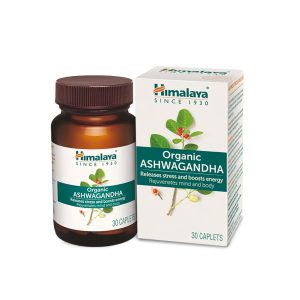
- Himalaya Organic Ashwagandha 670mg
- Iron Bisglycinate + Vitamin C
- Organic India Amla Powder
All products are authentic Indian and UK-labelled brands, sourced directly from India and dispatched within 24–72 hours (UK delivery typically 5–7 working days).
Related guides
Food supplements are not a substitute for a varied, balanced diet and a healthy lifestyle. Do not exceed the recommended daily dose. Keep out of reach of young children. If you are pregnant, breastfeeding, taking medication or under medical supervision, consult a healthcare professional before use. This guide describes traditional Ayurvedic routines and UK labelling rules; it is not medical advice, and nutrient claims apply only to products whose labels show the qualifying amount.
Shop the products in this guide
- Kapiva Organic Shatavari Powder 100g — £6.99
- Ashwagandha Gummies 30 — £8.99
- Dry Ginger Powder 100g — £4.99
- Organic India Amalaki Capsules 60 — £7.99
Lab-tested, vegetarian, shipped from India. Food supplements should not replace a varied diet.