
‘Brain health’ is one of the two categories Holland & Barrett expects to grow fastest in 2026, and students, junior doctors and anyone with a deadline are the people asking. Ayurveda has a specific class of herbs for the mind — the medhya rasayanas, chiefly brahmi and shankhpushpi — and a strong opinion about routine. This plan combines them with the one nutrient that carries an authorised UK brain claim, omega-3 DHA, and lays out a day that works for a revision week or a product launch.
The plan at a glance
- Morning: brahmi with breakfast; 20 minutes of daylight before screens
- Daily: omega-3 DHA (250mg contributes to the maintenance of normal brain function — authorised)
- Work: 50-minute blocks, tulsi or green tea instead of the fourth coffee
- Evening: shankhpushpi or ashwagandha, screens off by 10pm
- Length: the duration of the crunch, then keep the herbs as a daily routine

Quick answers
- What does a focus day look like?
- What are brahmi and shankhpushpi?
- Why omega-3 DHA?
- Can I take L-theanine or coffee with this?
- How long before an exam should I start?
- Is this suitable for teenagers?
- What does Ayurveda say about studying itself?
- Can this routine be used for a demanding job rather than exams?
What does a focus day look like?
Wake at the same time; warm water; twenty minutes outdoors or by a window before opening a laptop. Breakfast with brahmi and your omega-3. Work in 50-minute blocks with a walk in the gaps. Lunch as the main meal, away from the desk. Tulsi tea mid-afternoon rather than more coffee. Dinner by 7.30pm, a short evening review, shankhpushpi or ashwagandha with warm milk, and screens off by 10pm. Sleep is the part of the plan Ayurveda would refuse to negotiate on.
What are brahmi and shankhpushpi?
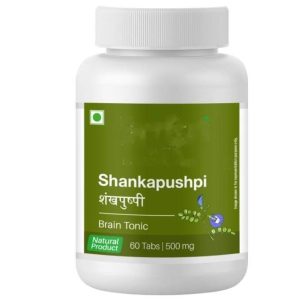
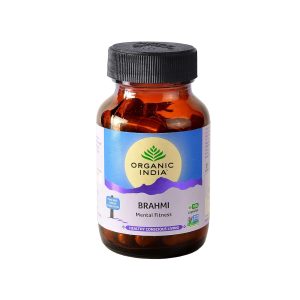
Brahmi (Bacopa monnieri) and shankhpushpi (Convolvulus prostratus) are the two best-known medhya rasayanas — the herbs Ayurveda traditionally associates with the mind, study and memory. Brahmi is classically taken in the morning, shankhpushpi in the evening, and Indian brands often combine them. Neither has an authorised UK health claim, so we describe traditional classification only; see the brahmi comparison guide.
Why omega-3 DHA?
DHA is the one ingredient in this plan with an authorised UK claim: a daily intake of 250mg of DHA contributes to the maintenance of normal brain function. Algal DHA capsules make this available to vegetarians and vegans; fish oil is the alternative. Check the label shows at least 250mg DHA per daily dose.
Can I take L-theanine or coffee with this?
L-theanine, the amino acid from tea, is widely used in the UK and appears in several Indian brands’ products; it has no authorised claim. Coffee is fine in moderation, but Ayurveda would swap the afternoon cups for tulsi or ginger tea so the evening routine is not undermined.
How long before an exam should I start?
Start the routine at least two to three weeks before the crunch, so the habits are automatic when pressure arrives. Bacopa products are traditionally used as a daily routine over weeks, not as a one-off on the day.
Is this suitable for teenagers?
The routine (daylight, blocks, meals, sleep) is suitable for anyone. For under-18s, check each product’s label — many are adult-only — and speak to a pharmacist or GP before giving supplements to a teenager.
What does Ayurveda say about studying itself?
The classical texts on medhya herbs sit alongside advice on routine: study in the early morning when the mind is clearest, eat a proper lunch rather than grazing, avoid heavy food before evening study, and sleep — the texts are blunt that memory is consolidated by rest, which modern research agrees with. A tidy desk, natural light and a fixed start time were recommended long before productivity apps. The herbs are the smaller part of the plan.
Can this routine be used for a demanding job rather than exams?
Yes; the structure is the same for a launch week, a court date or a busy clinical rota. Keep brahmi and omega-3 in the morning, protect lunch away from the desk, use the 50-minute block rhythm through the afternoon, and be strict about the 10pm screen cut-off, which is the rule most professionals break first. On the weekend after a crunch, an oil massage and an early night is the tradition’s way of closing the chapter.
Shop this plan at KantiGlow
- Organic India Brahmi Capsules
- Sri Sri Tattva Shankhpushpi
- Brahmi + Shankhpushpi Tablets
- Tata 1mg Vegan Omega-3 Algal DHA
- HealthyHey L-Theanine
All products are authentic Indian and UK-labelled brands, sourced directly from India and dispatched within 24–72 hours (UK delivery typically 5–7 working days).
Related guides
Food supplements are not a substitute for a varied, balanced diet and a healthy lifestyle. Do not exceed the recommended daily dose. Keep out of reach of young children. If you are pregnant, breastfeeding, taking medication or under medical supervision, consult a healthcare professional before use. This guide describes traditional Ayurvedic routines and UK labelling rules; it is not medical advice, and nutrient claims apply only to products whose labels show the qualifying amount.
Shop the products in this guide
- Sri Sri Tattva Brahmi 500mg Tablets 60 — £4.99
- Herb Essential Shankhpushpi Tablets 60 — £6.99
- Tata 1mg Omega-3 Algal DHA Capsules — £14.99
- Organic India Tulsi Capsules 250 — £7.99
Lab-tested, vegetarian, shipped from India. Food supplements should not replace a varied diet.