Three names come up again and again when UK shoppers compare herbal supplements: brahmi (bacopa), ashwagandha and lion’s mane. Two are Ayurvedic herbs with thousands of years of recorded use; one is a culinary mushroom from East Asian tradition that has become a UK trend. This FAQ explains what each actually is, how the Ayurvedic tradition classifies them, and what UK labelling law does and does not allow sellers to say — so you can choose with clear eyes.
Key facts
- Brahmi: Bacopa monnieri — an Ayurvedic ‘medhya rasayana’ (traditionally, a rejuvenating herb for the mind)
- Ashwagandha: Withania somnifera — an Ayurvedic ‘bala’ and rasayana herb, traditionally associated with strength and vitality
- Lion’s mane: Hericium erinaceus — an edible mushroom from Chinese and Japanese tradition, not part of Ayurveda
- UK rule: none of the three has an authorised GB health claim
Quick answers
- What is brahmi, and is it the same as bacopa?
- What is ashwagandha traditionally used for?
- What is lion’s mane and is it Ayurvedic?
- Which is better for focus and memory — brahmi, ashwagandha or lion’s mane?
- Can I take brahmi and ashwagandha together?
- How much brahmi should I take, and when?
- What should I look for when buying brahmi or ashwagandha in the UK?
What is brahmi, and is it the same as bacopa?
Yes. Brahmi is the Ayurvedic name for Bacopa monnieri, a small creeping plant that grows in wetlands across India. (Confusingly, in some parts of India the name brahmi is also given to gotu kola, Centella asiatica, so always check the Latin name on the label.) In classical Ayurveda brahmi is grouped among the medhya rasayanas — the herbs traditionally associated with the mind and with learning. It is usually sold as tablets, capsules or powder, and traditionally taken with warm water or ghee.
What is ashwagandha traditionally used for?
Ashwagandha (Withania somnifera) is a shrub whose root has been used in Ayurveda for over 3,000 years. Its Sanskrit name refers to the smell of the root (‘horse’), and the tradition associates it with strength, vitality and resilience during demanding periods. It is one of the best-known rasayana herbs and is traditionally taken in the evening with warm milk. For a deeper dive see our ashwagandha UK buyer’s guide.
What is lion’s mane and is it Ayurvedic?
Lion’s mane (Hericium erinaceus) is a shaggy white edible mushroom used in Chinese and Japanese cooking and folk tradition. It is not an Ayurvedic ingredient and does not appear in the classical texts. In the UK it is mostly sold as a mushroom extract powder or capsules, often blended with other mushrooms. We include it here because so many UK shoppers compare it against brahmi and ashwagandha.
Which is better for focus and memory — brahmi, ashwagandha or lion’s mane?
This is the question everyone asks, and the honest UK answer is that no supplement seller is permitted to tell you. None of the three has an authorised health claim on the GB Nutrition and Health Claims Register, and the Advertising Standards Authority has upheld complaints against brands that claimed ashwagandha supports ‘cognitive function’. What we can say is how the traditions differ: in Ayurveda, brahmi is the classical herb of the mind and study, while ashwagandha is the classical herb of strength and steadiness. Lion’s mane sits outside Ayurveda altogether. If you want an Ayurvedic routine, brahmi is the traditional choice for that purpose; many people take brahmi in the morning and ashwagandha in the evening.
Can I take brahmi and ashwagandha together?
Yes, this is a classical pairing — several Indian brands sell combined brahmi-and-ashwagandha tablets. Keep each within its labelled dose. If you take prescribed medication, or are pregnant or breastfeeding, ask your pharmacist or GP first.
How much brahmi should I take, and when?
Typical UK-labelled products provide 300–600mg of bacopa extract or 500–1000mg of whole-herb powder per day. Brahmi is traditionally taken in the morning. Bacopa extracts are usually standardised to ‘bacosides’ — the percentage will be on the label of better brands. Always follow the pack directions.
What should I look for when buying brahmi or ashwagandha in the UK?
The Latin name on the label; the part used (root for ashwagandha, whole herb for brahmi); whether it is powder or standardised extract, and the milligram amount; a batch number and a UK food supplement label; and a recognisable Indian manufacturer such as Himalaya, Organic India, Sri Sri Tattva or Vahdam. KantiGlow stocks all of these and ships from India.
Note: KantiGlow specialises in authentic Indian Ayurvedic brands, so we do not currently stock lion’s mane. If you already take a mushroom supplement, brahmi is the Ayurvedic herb most people add alongside it.
Shop related products at KantiGlow
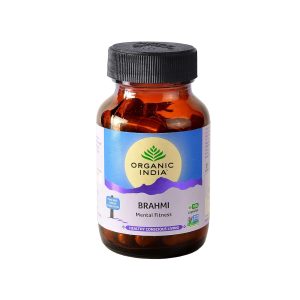
- Organic India Brahmi Capsules
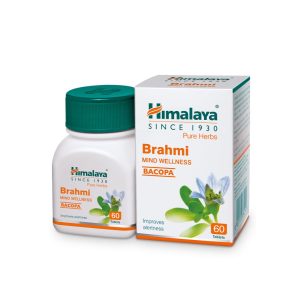
- Himalaya Brahmi Tablets
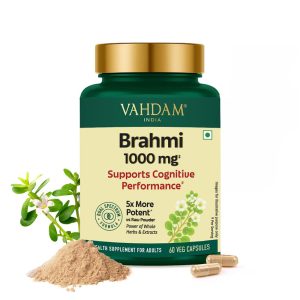
- Vahdam Brahmi (Bacopa) 1000mg
- Sri Sri Tattva Brahmi 500mg
- Jiva Ashwagandha + Brahmi Tablets
- Himalaya Organic Ashwagandha 670mg
All products are authentic Indian brands, sourced directly from India and dispatched within 24–72 hours (UK delivery typically 5–7 working days).
Related guides
Food supplements are not a substitute for a varied, balanced diet and a healthy lifestyle. Do not exceed the recommended daily dose. Keep out of reach of young children. If you are pregnant, breastfeeding, taking medication or under medical supervision, consult a healthcare professional before use. This guide describes traditional Ayurvedic use and UK labelling rules; it is not medical advice.
Shop the products in this guide
- Sri Sri Tattva Brahmi 500mg Tablets 60 — £4.99
- Sri Sri Tattva Ashwagandhadi Tablets 60 — £5.99
- Lion’s Mane Mushroom Extract 10:1 Capsules 60 — £14.99
Lab-tested, vegetarian, shipped from India. Food supplements should not replace a varied diet.
Pingback: Ayurvedic Focus Routine for Exams & Deadlines (UK) | KantiGlow