
Triphala is a classical Ayurvedic formula made from three dried fruits — amalaki (amla), bibhitaki and haritaki — blended in equal parts. It is one of the most widely used preparations in the whole Ayurvedic tradition and, after ashwagandha and shilajit, one of the most searched Ayurvedic terms in the UK. Below we answer the questions UK shoppers ask us most, in plain English and within UK labelling rules.
Key facts
- Sanskrit name: Triphala (‘three fruits’)
- Ingredients: Amalaki (Emblica officinalis), Bibhitaki (Terminalia bellirica), Haritaki (Terminalia chebula)
- Formats: churna (powder), tablets, capsules, juice
- Traditional timing: evening, with warm water
- Dietary: naturally vegetarian and vegan
Quick answers
- What is triphala and what is it made of?
- What is triphala traditionally used for in Ayurveda?
- Triphala churna vs tablets vs capsules — which should I buy?
- When is the best time to take triphala?
- How do I take triphala churna so it is not unpleasant?
- Is triphala safe to take every day?
- Which triphala brands are authentic in the UK?
- Can I take triphala with other Ayurvedic herbs like ashwagandha?
What is triphala and what is it made of?
Triphala is a Sanskrit word meaning ‘three fruits’. The formula combines dried amalaki (Indian gooseberry), bibhitaki and haritaki, usually in a 1:1:1 ratio. In classical texts it is classified as a rasayana — a rejuvenating preparation — and is traditionally taken as part of a daily routine rather than as a short course.
What is triphala traditionally used for in Ayurveda?
In the Ayurvedic tradition, triphala is regarded as a gentle, everyday preparation associated with the digestive routine and with the concept of balancing all three doshas (vata, pitta and kapha). It has been used in India for many centuries and features in most household Ayurvedic pharmacies. Under UK rules, food supplements cannot carry health claims that are not on the GB Nutrition and Health Claims Register, and no such claims exist for triphala — so any UK seller telling you triphala ‘cures’ or ‘treats’ something is breaking the rules. We describe traditional use only.
Triphala churna vs tablets vs capsules — which should I buy?
Churna (powder) is the traditional form: it is the cheapest per serving, you can adjust the amount, and it is taken stirred into warm water. The trade-off is the taste, which is sour, astringent and slightly bitter. Tablets are compressed whole-fruit powder — convenient, no taste, but a typical tablet is 500–750mg so you may need several to match a teaspoon of powder. Capsules are similar to tablets but often use extract rather than whole powder; check the label for ‘whole fruit powder’ versus ‘extract’ and the milligram amount. If you are new to triphala, tablets or capsules from an established brand are the easiest start; if you already enjoy Ayurvedic routines, the churna is the most authentic and economical option.
When is the best time to take triphala?
Traditionally, triphala is taken in the evening, around an hour before bed, with a cup of warm water. Some Ayurvedic practitioners suggest first thing in the morning on an empty stomach instead. Follow the directions on the pack of the product you buy; most UK-labelled products recommend one to two tablets or half to one teaspoon of powder once daily.
How do I take triphala churna so it is not unpleasant?
Stir half a teaspoon into a small glass of warm (not boiling) water, let it sit for a minute, stir again and drink. A squeeze of lemon or a little honey improves the taste. Some people steep it overnight and drink the strained liquid in the morning. Start with a smaller amount for the first few days so you can see how you get on.
Is triphala safe to take every day?
Triphala has a long history of daily use in India as a food-grade preparation. As with any supplement, do not exceed the dose on the pack, and consult your GP or pharmacist before use if you are pregnant, breastfeeding, taking prescribed medication or under medical supervision. Stop and seek advice if you experience any digestive discomfort.
Which triphala brands are authentic in the UK?
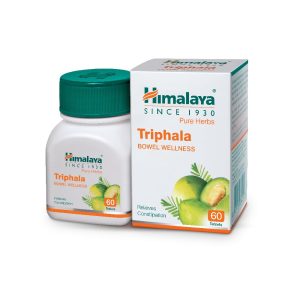
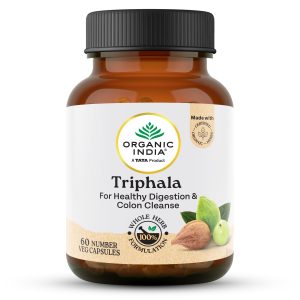
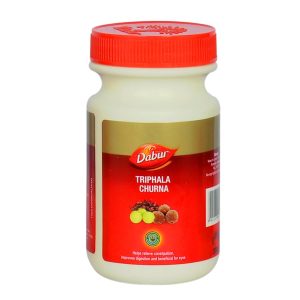
Look for established Indian Ayurvedic manufacturers with GMP certification: Himalaya, Dabur, Organic India and Kerala Ayurveda are the names most UK buyers recognise. Check for the Latin names of all three fruits on the label, a clear milligram amount per tablet, a batch number and a UK-compliant food supplement label. All triphala sold at KantiGlow is sourced from these brands and dispatched from India within 24–72 hours.
Can I take triphala with other Ayurvedic herbs like ashwagandha?
Many people build a routine that pairs triphala in the evening with ashwagandha or other herbs — our Ayurvedic Foundation Kit is built on exactly that idea. Keep each product within its own labelled dose, and if you take medication ask a pharmacist about combining supplements.
Shop related products at KantiGlow
- Himalaya Triphala Capsules
- Organic India Triphala Capsules
- Dabur Triphala Churna 120g
- Kerala Ayurveda Triphala Choornam 50g
- The Digestion Kit (triphala + isabgol combo)
All products are authentic Indian brands, sourced directly from India and dispatched within 24–72 hours (UK delivery typically 5–7 working days).
Related guides
Food supplements are not a substitute for a varied, balanced diet and a healthy lifestyle. Do not exceed the recommended daily dose. Keep out of reach of young children. If you are pregnant, breastfeeding, taking medication or under medical supervision, consult a healthcare professional before use. This guide describes traditional Ayurvedic use and UK labelling rules; it is not medical advice.
Shop the products in this guide
- Kerala Ayurveda Triphala Choornam Powder 50g — £2.99
- Dabur Ashwagandha Capsules 20 — £3.99
- Dabur Amla Churna Powder — £2.99
- KantiGlow Selection Hing Goli — £3.99
Lab-tested, vegetarian, shipped from India. Food supplements should not replace a varied diet.
Pingback: Isabgol (Psyllium Husk) UK Guide: How to Take It | KantiGlow
Pingback: Ayurvedic Morning Routine (Dinacharya) UK Guide | KantiGlow
Pingback: Amla UK Guide: Powder vs Juice vs Tablets | KantiGlow
Pingback: 4-Week Ayurvedic Digestion Routine (Gut Reset, UK) | KantiGlow
Pingback: Kapha Daily Routine Plan (UK Ayurveda Guide) | KantiGlow
Pingback: Ayurveda 7-Day Starter Plan for UK Beginners | KantiGlow
Pingback: How to Take Churna: Ayurvedic Powders | KantiGlow