
Most people who ‘try Ayurveda’ buy six jars, take everything at once for a fortnight and give up. This plan does the opposite: one new habit per day for seven days, three well-known herbs introduced one at a time, and a total spend under £40. By day seven you will have a morning routine, an evening routine and a clear idea of what suits you. Everything here is framed as traditional Ayurvedic practice, not medical advice, and nothing requires you to change your diet overnight.
The plan at a glance
- Length: 7 days, then repeat as a routine
- Herbs: triphala (evening), ashwagandha (evening), tulsi (morning tea)
- Habits: warm water, tongue scraping, regular meal times, an earlier dinner, a screen-free half hour
- Budget: £25–£40 for the month
- Kit option: the Ayurvedic Foundation Kit has all three herbs
Quick answers
- What is the 7-day plan, day by day?
- Why start with triphala, ashwagandha and tulsi?
- How much does the starter plan cost in the UK?
- Do I need to know my dosha first?
- Can I do the plan if I take medication or am pregnant?
- What should I NOT buy in week one?
- What happens after the 7 days?
- How do I take each herb correctly in week one?
- What is a realistic shopping list and cost for the first month?
What is the 7-day plan, day by day?
Day 1 — warm water. Drink a glass of warm water on waking. That is the only task. Day 2 — tongue scraping. Add a 30-second tongue scrape before brushing. Day 3 — tulsi in the morning. Swap one coffee or tea for a cup of tulsi (holy basil) tea or take a tulsi capsule with breakfast. Day 4 — regular meal times. Eat lunch as your biggest meal, at a consistent time. Day 5 — triphala in the evening. One to two tablets with warm water an hour before bed, as the pack directs. Day 6 — ashwagandha. Add ashwagandha in the evening, traditionally with warm milk. Day 7 — the wind-down. Screens off 30 minutes before bed and a consistent bedtime. On day eight, keep everything going.
Why start with triphala, ashwagandha and tulsi?
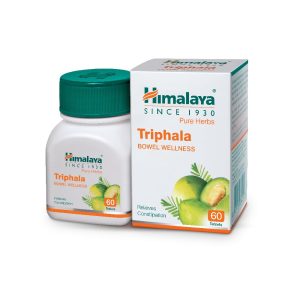
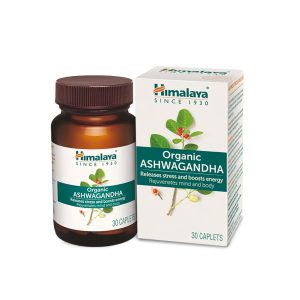
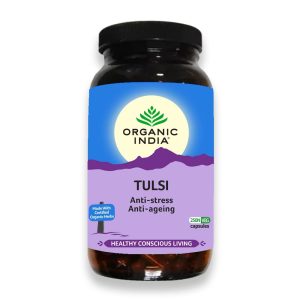
They are the three herbs almost every Ayurvedic household in India uses, they are widely available from established brands in the UK, and they cover the three parts of the day: tulsi is traditionally a morning herb, triphala and ashwagandha are evening herbs. Triphala is a three-fruit formula classified as a rasayana (rejuvenating preparation); ashwagandha is the classical root associated with strength and steadiness; tulsi is the ‘queen of herbs’ taken daily as a tea. None of the three has an authorised UK health claim, so we describe their traditional roles only — see our individual guides for each.
How much does the starter plan cost in the UK?
A month’s supply of each herb from Himalaya, Organic India or Dabur is £6–£12, so £25–£35 for all three. Our Ayurvedic Foundation Kit bundles them at a small discount. A tongue scraper is £3–£8. You do not need oils, teas, kits or a consultation to begin.
Do I need to know my dosha first?
No. Dosha (vata, pitta, kapha) is a useful lens once you are a few weeks in — we have separate vata, pitta and kapha routine plans — but the seven habits above are common to all three and are the right place to start.
Can I do the plan if I take medication or am pregnant?
The habits (warm water, tongue scraping, meal timing, bedtime) are fine for anyone. For the herbs, speak to your GP or pharmacist first if you take prescribed medication, are pregnant or breastfeeding, or are under medical supervision. Ashwagandha in particular is not recommended in pregnancy.
What should I NOT buy in week one?
Shilajit, bhasmas, multi-herb ‘vitality’ blends, weight formulas and anything promising a result. Shilajit is a good second-month addition once you know how you get on with ashwagandha; mineral bhasma products are not sold by KantiGlow at all. Keep week one to single herbs from brands with batch numbers and clear labels.
What happens after the 7 days?
Keep the routine for a month, then read our dinacharya guide to extend the morning, and pick one plan from this series — the digestion routine, the evening wind-down, or the seasonal autumn plan — depending on what you want to work on next.
How do I take each herb correctly in week one?
Tulsi: one tablet or capsule with breakfast, or a tea bag steeped five minutes; Organic India and Himalaya both label a daily dose. Triphala: one to two tablets with a full glass of warm water about an hour before bed; if you chose churna, half a teaspoon stirred into warm water. Ashwagandha: one tablet or capsule in the evening — the traditional way is with a cup of warm milk. Take each within the pack’s directions, never doubled to ‘catch up’, and give the routine a fortnight before deciding anything. If a herb disagrees with you, drop it and keep the other two; the habits still stand.
What is a realistic shopping list and cost for the first month?
Himalaya Organic Ashwagandha 60 tablets (£8–£10), Himalaya or Organic India Triphala 60 capsules (£7–£9), Himalaya Tulasi 60 tablets or Organic India Tulsi capsules (£6–£9), a stainless or copper tongue scraper (£3–£8). Total: roughly £25–£35. Everything else in the plan — warm water, meal timing, an earlier dinner, a screen-free half hour — is free. Dabur’s ashwagandha capsules and triphala churna bring the herb cost under £15 if budget is the priority; our £25-a-month plan is built on exactly that.
Shop this plan at KantiGlow
- The Ayurvedic Foundation Kit
- Himalaya Triphala Capsules
- Himalaya Organic Ashwagandha 670mg
- Organic India Tulsi Capsules
- Himalaya Tulasi (Holy Basil) Tablets
All products are authentic Indian and UK-labelled brands, sourced directly from India and dispatched within 24–72 hours (UK delivery typically 5–7 working days).
Related guides
Food supplements are not a substitute for a varied, balanced diet and a healthy lifestyle. Do not exceed the recommended daily dose. Keep out of reach of young children. If you are pregnant, breastfeeding, taking medication or under medical supervision, consult a healthcare professional before use. This guide describes traditional Ayurvedic routines and UK labelling rules; it is not medical advice, and nutrient claims apply only to products whose labels show the qualifying amount.
Shop the products in this guide
- Dabur Ashwagandha Capsules 20 — £3.99
- Himalaya Tulsi Tablets 60 — £7.99
- Dabur Triphala Churna Powder 120g — £3.99
- KantiGlow Selection Hing Goli — £3.99
Lab-tested, vegetarian, shipped from India. Food supplements should not replace a varied diet.
Pingback: Ayurvedic Gift Guide 2026: Diwali & Christmas (UK) | KantiGlow
Pingback: Moringa vs Spirulina vs Wheatgrass vs Sea Moss (UK) | KantiGlow