Amla, or Indian gooseberry (Emblica officinalis, also Phyllanthus emblica), is a small, sour, pale-green fruit that sits at the centre of Ayurveda: it is the base of chyawanprash, one of the three fruits in triphala, and the classic ingredient in Indian hair oils. In the UK it is sold as powder, juice, tablets, candy and oil. This FAQ answers the questions we get asked most.
Key facts
- Latin name: Emblica officinalis / Phyllanthus emblica
- Sanskrit: Amalaki
- Naturally rich in vitamin C (fruit)
- Formats: powder (churna), juice, tablets/capsules, candy, hair oil
- Not to be confused with bhumi amla (Phyllanthus niruri) — a different plant
Quick answers
- What is amla?
- Is amla the same as bhumi amla?
- Amla powder vs juice vs tablets — which is best?
- How do I take amla powder?
- Does amla have vitamin C, and can that be claimed on the label?
- Is amla good for hair?
- Which amla brands are authentic in the UK?
What is amla?
Amla is the fruit of a small tree native to India. The name means ‘sour’ in Sanskrit, and the fruit is famously sour and astringent. In Ayurveda, amalaki is regarded as one of the most important rasayana (rejuvenating) fruits and is used across foods, formulas and cosmetics. The fresh fruit is one of the richest natural sources of vitamin C among common fruits, and dried amla powder retains a portion of it.
Is amla the same as bhumi amla?
No. Bhumi amla (Phyllanthus niruri) is a small ground-growing herb with a completely different traditional role. They share a name because of a resemblance in the tiny fruits. See our separate bhumi amla guide.
Amla powder vs juice vs tablets — which is best?
Powder (churna) is dried, ground whole fruit: the most versatile and economical, taken in water, added to smoothies, or mixed into a hair mask. Juice is the freshest-tasting and easiest for the fruit’s natural vitamin C, but is heavier to ship and once opened must be refrigerated. Tablets and capsules are convenient and tasteless, but check whether they contain whole-fruit powder or an extract, and how much. Candy (sweetened dried amla) is a snack rather than a supplement. For a daily routine most UK customers choose powder or tablets.
How do I take amla powder?
Stir half to one teaspoon into a glass of warm water or juice, ideally in the morning, or follow the pack. It is sour, so honey or a squeeze of lemon helps. Amla powder can also be mixed with water or yoghurt into a paste for the hair and scalp, which is its traditional cosmetic use.
Does amla have vitamin C, and can that be claimed on the label?
Fresh amla is naturally very rich in vitamin C. Whether a product can carry a vitamin C claim depends on the label: UK rules allow authorised vitamin C claims (such as ‘contributes to normal collagen formation for the normal function of skin’ or ‘contributes to the normal function of the immune system’) only when a daily serving provides at least 15% of the reference intake (12mg). Some amla products declare this, many do not. Amla itself, as a herb, has no authorised claim, so we describe traditional use only.
Is amla good for hair?
Amla has been used on the hair in India for centuries — as an oil, a rinse and a paste — and remains the most common ingredient in traditional Indian hair oils. UK cosmetics rules are different from food rules, but we still keep to describing the tradition rather than promising outcomes. If you want to try it, the powder mixed into a paste, or an amla hair oil, is the traditional route.
Which amla brands are authentic in the UK?
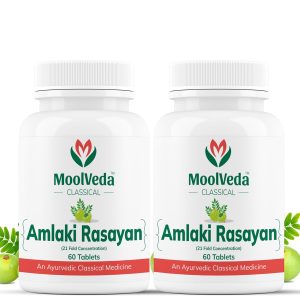
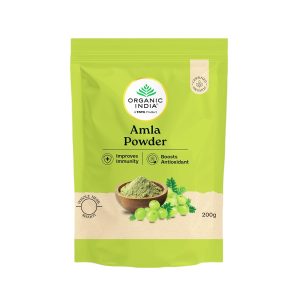
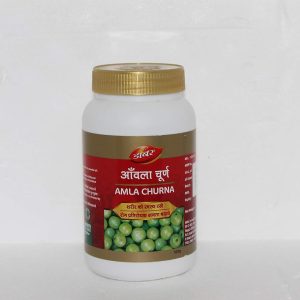
Dabur, Organic India and Patanjali are the household names for amla powder and juice; Moolveda and Planet Ayurveda make amalaki rasayan tablets; Dabur Hajmola makes the popular amla candy. KantiGlow stocks these, sourced in India and dispatched directly from India.
Shop related products at KantiGlow
- Organic India Amla Powder 200g
- Dabur Amla Churna
- Moolveda Amalaki Rasayan
- Planet Ayurveda Amalaki Rasayan
- Dabur Hajmola Amla Candy
- The Skin & Hair Kit
All products are authentic Indian brands, sourced directly from India and dispatched within 24–72 hours (UK delivery typically 5–7 working days).
Related guides
Food supplements are not a substitute for a varied, balanced diet and a healthy lifestyle. Do not exceed the recommended daily dose. Keep out of reach of young children. If you are pregnant, breastfeeding, taking medication or under medical supervision, consult a healthcare professional before use. This guide describes traditional Ayurvedic use and UK labelling rules; it is not medical advice.
Shop the products in this guide
- Dabur Amla Churna Powder — £2.99
- Neotea Bhumi Amla Powder — £9.99
Lab-tested, vegetarian, shipped from India. Food supplements should not replace a varied diet.
Pingback: Collagen + Amla 12-Week Skin Routine (UK Guide) | KantiGlow
Pingback: Pitta Daily Routine Plan (UK Ayurveda Guide) | KantiGlow
Pingback: 8-Week Ayurvedic Hair & Scalp Routine (UK Guide) | KantiGlow