Pitta — fire and water — is the dosha of heat, intensity and drive: the sharp mind, the strong appetite, the person who runs warm, gets ‘hangry’, and tends to overwork. Ayurveda says pitta rises in summer and in the middle of the day, and its routine is built around cooling and slowing. This plan is that routine for UK life, described in the tradition’s terms, with no medical claims.
The plan at a glance
- Keywords: cool, calm, sweet, moderate
- Do not skip meals; lunch on time, never rushed
- Food: cooling, sweet and bitter tastes; coconut, coriander, fennel, mint; less chilli, vinegar, alcohol
- Oil: coconut-oil abhyanga; evening walks; swimming
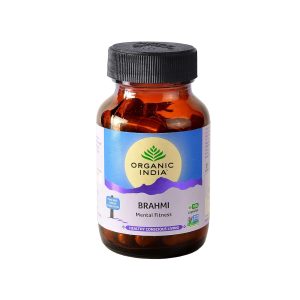
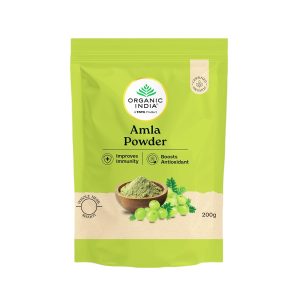
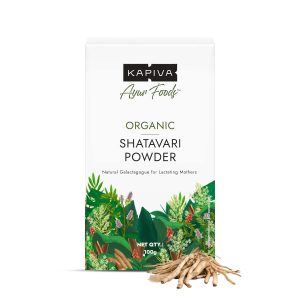
- Herbs traditionally for pitta: amla, shatavari, brahmi, coriander
Quick answers
- How do I know if I am a pitta type?
- What is the pitta daily routine?
- What should pitta types eat?
- Which herbs are traditionally used for pitta?
- Why coconut oil rather than sesame?
- What aggravates pitta in modern life?
- What is a pitta-pacifying weekly shopping list?
- How does the pitta routine change through the year?
How do I know if I am a pitta type?
Pitta people in the classical description are medium build, warm to the touch, strong-willed and organised, with a sharp appetite and a low tolerance for delay, heat and hunger. Skin may be sensitive or prone to redness. Most people are a blend of two doshas.
What is the pitta daily routine?
6am: wake before the day heats up; cool or room-temperature water. 6.30am: coconut-oil self-massage, a lukewarm shower. 8am: a substantial breakfast — never skip it. 12.30pm: lunch on time, unhurried, away from the desk. 3pm: a short break outdoors; mint or fennel tea. 7pm: a moderate dinner. 8.30pm: an evening walk — Ayurveda specifically recommends moonlight for pitta. 10–10.30pm: bed, before the second wind that pitta types are prone to.
What should pitta types eat?
Cooling and sweet: rice, oats, wheat, coconut, cucumber, courgette, leafy greens, sweet fruit, milk and ghee, and herbs such as coriander, fennel, mint and cardamom. Reduce chilli, garlic, vinegar, fermented foods, alcohol, coffee and red meat. Bitter and astringent tastes pacify pitta; sour, salty and pungent aggravate it.
Which herbs are traditionally used for pitta?
Amla (the sour-but-cooling fruit at the centre of pitta care), shatavari, brahmi, guduchi, coriander and fennel, and ghee. Turmeric and ashwagandha are used in smaller amounts. Traditional associations only. Amla powder in cool water each morning is the classic pitta habit.
Why coconut oil rather than sesame?
Sesame oil is warming and suits vata; coconut oil is cooling and suits pitta. In summer, or for anyone who runs hot, a short coconut-oil massage before a lukewarm shower is the pitta version of abhyanga. Sunflower oil is a neutral alternative.
What aggravates pitta in modern life?
Skipping lunch, working through the midday heat, deadlines with no breaks, alcohol and spicy takeaways late at night, hot yoga at noon, and screens after 10pm. The routine simply removes the heat from each.
What is a pitta-pacifying weekly shopping list?
Basmati rice, oats, barley; mung dal, chickpeas; cucumber, courgette, leafy greens, broccoli, asparagus, sweet potato; sweet apples, pears, melon, grapes, coconut; ghee, coconut oil, sunflower seeds; milk and yoghurt (in moderation); coriander, fennel, mint, cardamom, a little turmeric and cumin; maple syrup or dates. From the shop: amla powder, shatavari, brahmi. Fewer tomatoes, chillies, onions, garlic, vinegar and fermented foods.
How does the pitta routine change through the year?
Summer is pitta’s season, when the routine matters most: coconut oil, cooling food, no midday exertion, moonlight walks. In winter, pitta types can enjoy warmer, heavier food and some spice without trouble, and can move exercise to midday. The rule that never changes is not skipping lunch. Holidays in hot climates call for the summer version even in December.
Shop this plan at KantiGlow
- Organic India Amla Powder 200g
- Kapiva Organic Shatavari Powder
- Organic India Brahmi Capsules
- Jiva Giloy (Guduchi) Capsules
- The Morning Ritual Kit
All products are authentic Indian and UK-labelled brands, sourced directly from India and dispatched within 24–72 hours (UK delivery typically 5–7 working days).
Related guides
Food supplements are not a substitute for a varied, balanced diet and a healthy lifestyle. Do not exceed the recommended daily dose. Keep out of reach of young children. If you are pregnant, breastfeeding, taking medication or under medical supervision, consult a healthcare professional before use. This guide describes traditional Ayurvedic routines and UK labelling rules; it is not medical advice, and nutrient claims apply only to products whose labels show the qualifying amount.
Shop the products in this guide
- Organic India Amalaki Capsules 60 — £7.99
- Kapiva Organic Shatavari Powder 100g — £6.99
- Organic India Brahmi Capsules 60 — £6.99
- Organic Soul White Sesame Seeds Capsules 250g — £4.99
Lab-tested, vegetarian, shipped from India. Food supplements should not replace a varied diet.
Pingback: Vata Daily Routine Plan (UK Ayurveda Guide) | KantiGlow
Pingback: Kapha Daily Routine Plan (UK Ayurveda Guide) | KantiGlow