Collagen sales in the UK rose 62% last year and marine-collagen searches nearly quadrupled. Ayurveda has no collagen, but it has amla — the fruit at the centre of its skin and hair tradition and one of the richest natural sources of vitamin C, the nutrient that contributes to normal collagen formation for the normal function of skin (an authorised UK claim). This 12-week plan puts the two together, with the Ayurvedic habits that go alongside.
The plan at a glance
- Length: 12 weeks (collagen routines are usually judged over 8–12 weeks)
- Daily: collagen peptides (typically 2.5–10g) + amla powder or tablets
- Vitamin C: contributes to normal collagen formation for normal skin function (authorised, products with ≥12mg per serving)
- Habits: warm water, oil cleansing or abhyanga, an earlier bedtime
- Kit option: The Skin & Hair Kit (amla, neem, turmeric)
Quick answers
- What does the 12-week routine involve?
- Which type of collagen should I buy?
- Why amla with collagen?
- How much collagen per day, and when?
- What Ayurvedic skin habits go with the plan?
- Is collagen suitable for everyone?
- How do I make the traditional amla or neem face pack?
- What should I look for on a collagen label?
What does the 12-week routine involve?
Weeks 1–4: collagen each morning in water, coffee or a smoothie; amla powder in warm water or an amla tablet with breakfast; two litres of water a day. Weeks 5–8: keep both going and add a weekly amla or neem face pack, plus a warm-oil massage of the face and scalp before washing. Weeks 9–12: unchanged — consistency is the whole point. Take a photo in the same light at week 0 and week 12 if you want a fair comparison for yourself.
Which type of collagen should I buy?
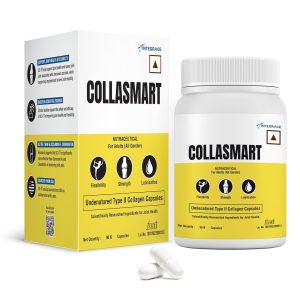
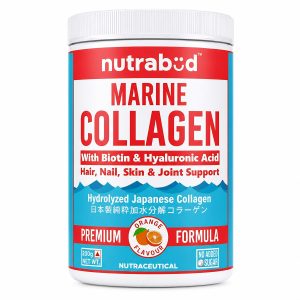
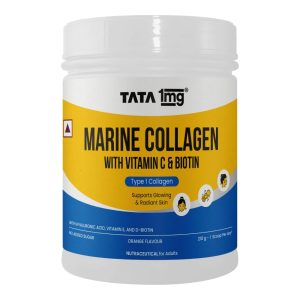
Marine collagen (from fish skin, type I) is the most popular in the UK for skin routines and mixes easily as a powder. Bovine collagen (types I and III) is cheaper. UC-II undenatured type II is a different product, taken in small 40mg doses and marketed for joints rather than skin. Vegans should note that collagen itself is always animal-derived; plant ‘collagen boosters’ contain vitamin C and amino acids instead. Choose a hydrolysed peptide powder with a clear gram amount per serving.
Why amla with collagen?
Because collagen formation in the body needs vitamin C, and amla is Ayurveda’s vitamin-C fruit. Where an amla product declares at least 12mg of vitamin C per daily serving, the label may state that vitamin C contributes to normal collagen formation for the normal function of skin, and to the protection of cells from oxidative stress. Amla powder itself has no authorised claim; its role here is traditional and nutritional. Read our amla guide for forms and brands.
How much collagen per day, and when?
Most UK products direct 2.5g to 10g of collagen peptides daily. Morning in a drink is easiest; timing does not appear to matter for absorption. Take it consistently for at least eight weeks before judging.
What Ayurvedic skin habits go with the plan?
Warm water on waking; oil cleansing or a short face massage with sesame, almond or coconut oil; a weekly pack of amla, neem or turmeric powder mixed with yoghurt or rose water; and sleep — Ayurveda is emphatic that the skin reflects routine. Turmeric in food rather than on skin if you dislike the yellow tint.
Is collagen suitable for everyone?
Marine collagen is unsuitable for people with fish allergy; bovine collagen is unsuitable for vegetarians. Anyone pregnant, breastfeeding or on medication should check with a pharmacist before starting any supplement routine.
How do I make the traditional amla or neem face pack?
Mix one tablespoon of amla powder (or neem powder for oilier skin) with enough plain yoghurt or rose water to make a smooth paste. Apply to clean skin, avoiding the eyes, leave for ten to fifteen minutes, then rinse with lukewarm water and follow with a light oil or moisturiser. Patch-test on the inner arm first, use once a week, and skip it if your skin is irritated. Turmeric can be added in a pinch, but it tints — use only a quarter teaspoon and expect a faint yellow that washes off within the day.
What should I look for on a collagen label?
The source (marine or bovine) and the type (I, I+III, or II); ‘hydrolysed’ or ‘peptides’, which means it has been broken down for mixing and absorption; the grams of collagen per serving (2.5–10g is typical — beware ‘collagen’ products with a few hundred milligrams); added vitamin C, which lets the label carry the collagen-formation claim; and no unnecessary sugar or flavour if you plan to add it to coffee. Marine collagen from a named fish source with a batch number is the usual UK choice.
Shop this plan at KantiGlow
- Japanese Marine Collagen Powder
- Tata 1mg Marine Collagen + Grape Seed
- UC-II Undenatured Type II Collagen
- Organic India Amla Powder 200g
- The Skin & Hair Kit
All products are authentic Indian and UK-labelled brands, sourced directly from India and dispatched within 24–72 hours (UK delivery typically 5–7 working days).
Related guides
Food supplements are not a substitute for a varied, balanced diet and a healthy lifestyle. Do not exceed the recommended daily dose. Keep out of reach of young children. If you are pregnant, breastfeeding, taking medication or under medical supervision, consult a healthcare professional before use. This guide describes traditional Ayurvedic routines and UK labelling rules; it is not medical advice, and nutrient claims apply only to products whose labels show the qualifying amount.
Shop the products in this guide
- Nutrabud Multi Collagen Complex Powder — £12.99
- Organic India Amalaki Capsules 60 — £7.99
- Elecious Neem Powder 200g — £5.99
- Organic India Turmeric Formula Capsules 60 — £5.99
Lab-tested, vegetarian, shipped from India. Food supplements should not replace a varied diet.
Pingback: 8-Week Ayurvedic Hair & Scalp Routine (UK Guide) | KantiGlow