Ayurveda describes three constitutional types, or doshas. Vata — air and space — is the one associated with lightness, quickness, creativity, cold hands, dry skin and irregular habits, and it is the dosha the tradition says rises in autumn and in busy, screen-heavy lives. Its routine is about the opposite qualities: warmth, oil, heaviness and regularity. This is a lifestyle plan in the tradition’s own terms, not a diagnosis or a treatment.
The plan at a glance
- Keywords: warm, oily, grounded, regular
- Wake and sleep at the same times daily; in bed by 10pm
- Food: warm, cooked, moist, mildly spiced; ghee; fewer raw, cold and dry foods
- Oil: daily or alternate-day sesame-oil abhyanga
- Herbs traditionally for vata: ashwagandha, ginger, triphala, shatavari
Quick answers
- How do I know if I am a vata type?
- What is the vata daily routine?
- What should vata types eat?
- Which herbs are traditionally used for vata?
- Why is oil so important for vata?
- What aggravates vata in modern UK life?
- What is a vata-pacifying weekly shopping list?
- How does the vata routine change through the year?
How do I know if I am a vata type?
Vata people in the classical description are slim or slight, quick-thinking and quick-talking, feel the cold, have dry skin and hair, sleep lightly and love variety — sometimes to the point of irregularity. Most people are a mix of two doshas. A short online dosha quiz gives a starting point; the routine below is safe and pleasant for anyone who recognises the description.
What is the vata daily routine?
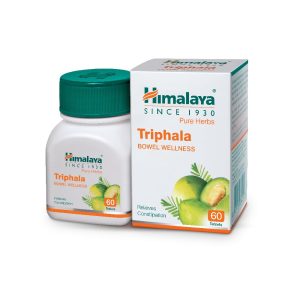
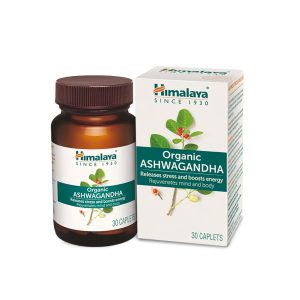
6.30–7am: wake at the same time daily; warm water. 7am: five minutes of warm sesame-oil massage, then a warm shower. 8am: a warm breakfast — porridge with ghee, cinnamon and stewed fruit. 1pm: the main meal, cooked and moist — dal, rice, roasted vegetables. 4pm: ginger or tulsi tea and a short walk. 7pm: a light warm dinner. 9pm: ashwagandha with warm milk and nutmeg; triphala with warm water. 10pm: bed. Keep the times fixed; regularity is the medicine of the routine.
What should vata types eat?
Warm, cooked, slightly oily and mildly spiced food: soups, stews, porridge, cooked grains, root vegetables, ghee, warm milk, sweet ripe fruit. Reduce raw salads, cold drinks, crackers and dry snacks, and skipped meals. Sweet, sour and salty tastes are said to pacify vata; bitter and astringent aggravate it.
Which herbs are traditionally used for vata?
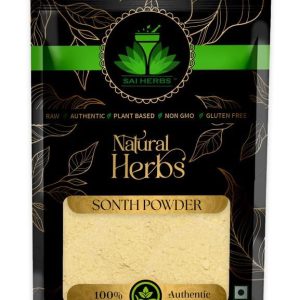
Ashwagandha (the classic warming rasayana), ginger, triphala in the evening, shatavari, and warming spices — cinnamon, cardamom, cumin. These are traditional associations, not health claims. The Evening Wind-Down Kit maps neatly onto a vata evening.
Why is oil so important for vata?
Because vata is dry and cold, and oil is its opposite. Ayurveda prescribes daily abhyanga with warm sesame oil for vata types — a few tablespoons warmed, massaged into limbs and joints, left for a few minutes, then showered off. In winter, it is the single habit vata people usually say they notice most.
What aggravates vata in modern UK life?
Irregular meals, late nights, constant travel, cold weather, too much screen time, dry heated offices, and skipping breakfast for coffee. The routine is a gentle counterweight to all of them.
What is a vata-pacifying weekly shopping list?
Oats, rice, quinoa; red lentils and mung dal; sweet potato, carrot, squash, beetroot, courgette; ripe bananas, stewed apples and pears; ghee, sesame oil, almonds and dates; whole milk or oat milk; ginger, cinnamon, cardamom, cumin, nutmeg; and a jar of honey. From the shop: ashwagandha, triphala, dried ginger and, in winter, chyawanprash. Batch-cook a dal and a soup on Sunday — vata types do best when the warm meal is already made.
How does the vata routine change through the year?
Autumn and early winter are the vata seasons, when the routine matters most: oil daily, eat warm, keep hours fixed. In spring, lighten the food a little and add more movement; in summer, switch sesame oil for coconut, allow cooler food, and keep the bedtime. Travel and clock changes aggravate vata, so protect meal and sleep times especially in the weeks after them. The autumn plan is essentially a vata-season plan for everyone.
Shop this plan at KantiGlow
- Himalaya Organic Ashwagandha 670mg
- Dry Ginger (Sonth) Powder
- Himalaya Triphala Capsules
- Kapiva Organic Shatavari Powder
- The Evening Wind-Down Kit
All products are authentic Indian and UK-labelled brands, sourced directly from India and dispatched within 24–72 hours (UK delivery typically 5–7 working days).
Related guides
Food supplements are not a substitute for a varied, balanced diet and a healthy lifestyle. Do not exceed the recommended daily dose. Keep out of reach of young children. If you are pregnant, breastfeeding, taking medication or under medical supervision, consult a healthcare professional before use. This guide describes traditional Ayurvedic routines and UK labelling rules; it is not medical advice, and nutrient claims apply only to products whose labels show the qualifying amount.
Shop the products in this guide
- Dry Ginger Powder 100g — £4.99
- Ashwagandha Gummies 30 — £8.99
- Ayurvedic Life Triphala Churna Powder 200g — £6.99
- Organic Soul White Sesame Seeds Capsules 250g — £4.99
Lab-tested, vegetarian, shipped from India. Food supplements should not replace a varied diet.
Pingback: Pitta Daily Routine Plan (UK Ayurveda Guide) | KantiGlow
Pingback: Kapha Daily Routine Plan (UK Ayurveda Guide) | KantiGlow
Pingback: Ayurveda 7-Day Starter Plan for UK Beginners | KantiGlow