
Ayurveda in Britain is often sold as a luxury — £40 jars, gold-foil kits, subscription boxes. In India it is the cheapest form of daily wellness there is, built on a handful of products that cost pence per day. This plan rebuilds that: four classic products for about £25 a month from established brands, plus the free habits that Ayurveda considers more important than anything you can buy.
The plan at a glance
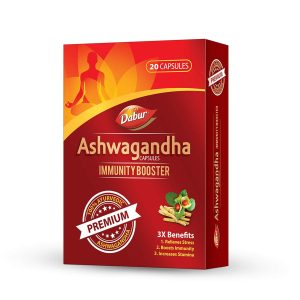
- Ashwagandha capsules (Dabur) — around £6/month
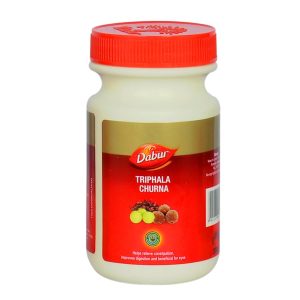
- Triphala churna (Dabur 120g) — around £5, lasts 6–8 weeks
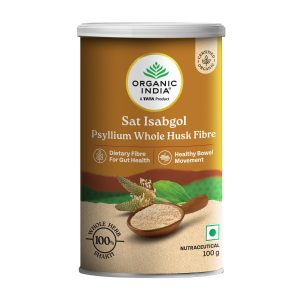
- Sat isabgol (Organic India 100g) — around £6, lasts a month
- Tulsi tablets (Himalaya) or Dabur Chyawanprakash (winter) — around £7
- Free: warm water, tongue scraping, meal timing, oil you already own, an early night
Quick answers
- What are the four products and why these?
- What is the daily routine on a budget?
- How do I keep the cost down?
- What should I skip on a budget?
- Is cheap Ayurveda safe?
- Can I spread the cost with a monthly plan?
- What are the free Ayurvedic habits that matter most?
- How do I upgrade the plan when there is more money?
What are the four products and why these?
Ashwagandha — the evening rasayana root; Dabur’s capsules are the cheapest branded option. Triphala churna — the three-fruit evening formula; powder is far cheaper per serving than tablets. Isabgol — psyllium husk, the traditional fibre; whole husk is the best value form. Tulsi — the daily morning herb; swap it for a jar of chyawanprash from October to March. All four are made by companies that have been doing this for a century, and all four are covered in our guides.
What is the daily routine on a budget?
Morning: warm water (free), tongue scrape (£4 once), tulsi tablet or a spoon of chyawanprash. Lunch: the main meal, at the same time daily (free). Evening: isabgol in a full glass of warm water; ashwagandha with warm milk; triphala churna in warm water an hour before bed. Weekly: a warm-oil massage with whatever cooking oil you own — sesame, coconut or olive (free).
How do I keep the cost down?
Buy powders and churnas rather than capsules where taste allows; buy 100g–200g packs rather than 50g; choose Dabur, Patanjali and Baidyanath for classical products and Himalaya for tablets; ignore anything with ‘gold’, ‘premium’ or ‘max’ in the name; and use the GLOW10 code on a first order. Our brand guide explains which maker to pick for which product.
What should I skip on a budget?
Shilajit (worthwhile, but £15–£25 and a second-month decision), gummies (you pay for sugar and convenience), multi-herb ‘vitality’ blends (usually under-dosed), and anything mineral-based (bhasmas), which KantiGlow does not sell. If money is tight, the four products above plus the free habits are the whole tradition in miniature.
Is cheap Ayurveda safe?
Cheap from an established Indian manufacturer with a batch number and a UK-compliant label — yes. Cheap from an anonymous marketplace listing — no. The difference is not the price but the maker. See Is Ayurveda safe? for the checklist.
Can I spread the cost with a monthly plan?
Yes — KantiGlow offers monthly-plan versions of several products and kits, which spread the cost and mean you do not run out. Look for the ‘monthly plan’ option on product pages.
What are the free Ayurvedic habits that matter most?
Ayurveda would rank them above any product: waking and sleeping at fixed times; a glass of warm water on rising; tongue scraping; eating the main meal at lunch and a light dinner by 7pm; no snacking between meals; a short walk after eating; a weekly warm-oil massage with any kitchen oil; screens off half an hour before bed. A person who does all of these and takes nothing is following the tradition more faithfully than one who takes ten supplements and does none of them.
How do I upgrade the plan when there is more money?
In order: swap Dabur ashwagandha for a KSM-66 extract if you prefer a standardised capsule (£10–£15); add chyawanprash for the winter (£7–£12); add shilajit resin in month two or three (£15–£25); then consider one of the kits, which bundle at a discount. Do not upgrade by adding more herbs; upgrade by choosing better versions of the same four. The 7-day starter plan and this one are designed to be the same routine at two price points.
Shop this plan at KantiGlow
- Dabur Ashwagandha Capsules
- Dabur Triphala Churna 120g
- Organic India Sat Isabgol 100g
- Himalaya Tulasi (Holy Basil)
- Dabur Chyawanprakash Sugar Free
- The Ayurvedic Foundation Kit
All products are authentic Indian and UK-labelled brands, sourced directly from India and dispatched within 24–72 hours (UK delivery typically 5–7 working days).
Related guides
Food supplements are not a substitute for a varied, balanced diet and a healthy lifestyle. Do not exceed the recommended daily dose. Keep out of reach of young children. If you are pregnant, breastfeeding, taking medication or under medical supervision, consult a healthcare professional before use. This guide describes traditional Ayurvedic routines and UK labelling rules; it is not medical advice, and nutrient claims apply only to products whose labels show the qualifying amount.
Shop the products in this guide
- Organic India Sat Isabgol Psyllium Husk Capsules 100g — £7.99
- Patanjali Ashwagandha Capsules — £1.99
- Dabur Triphala Churna Powder 120g — £3.99
- KantiGlow Selection Hing Goli — £3.99
Lab-tested, vegetarian, shipped from India. Food supplements should not replace a varied diet.