Quick answer: The brand name on the front tells you less than the label on the back. A trustworthy Ayurvedic product has a full English ingredients list with amounts, a recommended daily amount and warnings, a batch number and best-before date, a named manufacturer, no promises to treat disease, and a seller who can show heavy-metal test results for the batch. Dabur, Himalaya and Kapiva are all established Indian manufacturers that meet the basics; they differ mainly in what they are known for. Dabur is strongest in classical preparations such as chyawanprash and churnas, Himalaya in single-herb tablets and capsules, and Kapiva in juices and newer formats. Choose by the product you need and the checks below, not by loyalty to a name.
Key facts
- Most Ayurvedic products in the UK are sold as food supplements. They are not tested or approved by a regulator before sale; the business is responsible for safety and labelling.
- A food supplement label must show the words “food supplement”, an ingredients list, the recommended daily amount with a warning not to exceed it, a statement that it should not replace a varied diet, storage advice including keeping it away from young children, a date mark, and a business name and address.
- A THR mark with an MHRA product code shows a herbal medicine is registered in the UK and meets safety standards.
- The NHS advises against buying unlicensed herbal medicines online.
- AYUSH, FSSAI and GMP on a label are Indian approvals, not UK ones.
- “Natural” and “herbal” do not mean safe for everyone.
Why the brand question is hard
Indian Ayurvedic companies range from firms more than a century old to start-ups a few years old, and all describe themselves as authentic and pure. Large brands sell hundreds of products of very different kinds, so a company can make an excellent single-herb capsule and also a mineral-based classical formula you would want advice before taking. Judging the individual product is more reliable than judging the logo.
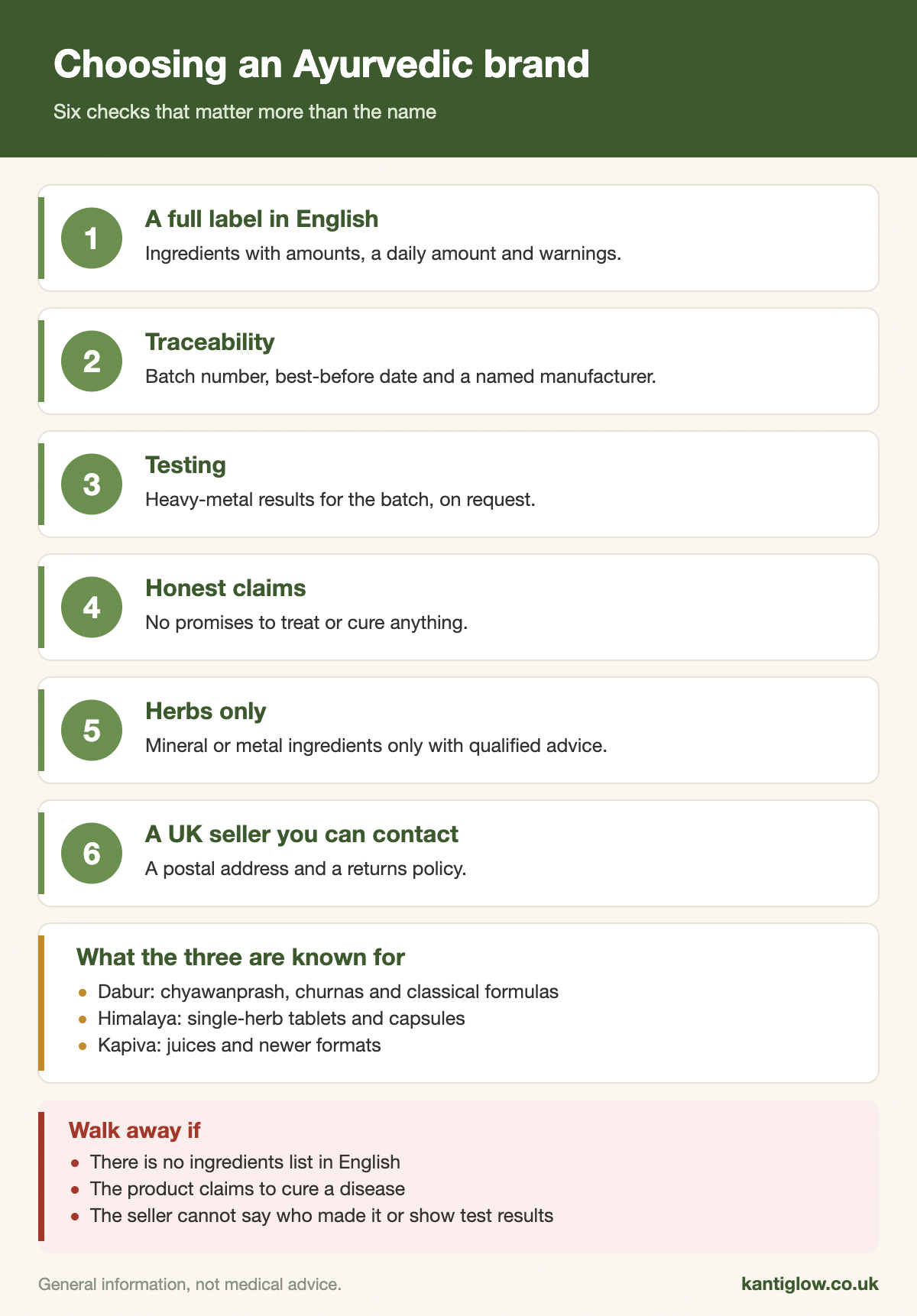
Six checks that matter more than the brand name
1. A full label in English. Every ingredient named, ideally with its botanical name and amount per dose. A recommended daily amount. Warnings on who should not take it.
2. Traceability. A batch or lot number, a manufacturing or best-before date, and the manufacturer’s name and address.
3. Testing. Ask the seller for a certificate of analysis showing heavy metals (lead, mercury, arsenic, cadmium) and microbes for that batch. A good seller can provide one.
4. Honest claims. Supplements may not claim to treat, prevent or cure any disease. A product promising to reverse diabetes, cure arthritis or boost anything by a percentage is a warning about the seller.
5. Herbs only, unless you have had advice. Check the ingredients for mineral or metal-based components, which carry names such as bhasma, ras, parad or naga. Take these only under qualified supervision, if at all.
6. A UK seller you can contact, with a postal address, a returns policy and customer service that answers questions.
A product that passes all six from a brand you have never heard of is a better buy than one that fails two from a famous name.
Kapiva, Himalaya and Dabur compared
| Dabur | Himalaya | Kapiva | |
|---|---|---|---|
| Background | Founded in 1884; one of India’s largest Ayurvedic companies | Founded in 1930; known worldwide for herbal healthcare | A newer brand, launched in the 2010s, selling mainly online |
| Best known for | Chyawanprash, honey, churnas, hair oils, classical formulas | Single-herb tablets and capsules, Liv.52, personal care | Juices (amla, aloe, karela-jamun), shilajit, gummies and blends |
| Typical formats | Jars, powders, tablets, syrups | Tablets, capsules, syrups | Juices, resins, capsules, gummies |
| Labelling | Classical products list traditional ingredient names; check for an English ingredients panel on the pack you buy | Usually clear, with botanical names and amounts | Modern packaging with clear front labels; check the ingredient amounts on the back |
| Good for | Traditional preparations made the classical way | A simple, single herb in a measured dose | Liquid formats and newer product types |
| Watch for | Sugar in chyawanprash and syrups; classical formulas that include mineral ingredients | Multi-herb proprietary blends where individual amounts are not stated | Sugar or sweeteners in juices and gummies; “gold” or mineral-enriched variants |
These are generalisations about ranges, not ratings. None of the three is “the best”. Each makes products worth buying and products that deserve a careful read of the label.
Which should I choose?
- You want one herb, such as ashwagandha, triphala or tulsi, in a tablet or capsule: compare the amount per tablet, whether it is whole herb or extract, and the price per dose across brands. Himalaya and Dabur both have wide single-herb ranges, as do Organic India and Baidyanath.
- You want a classical preparation, such as chyawanprash, a churna or an oil: the long-established houses, including Dabur, Baidyanath, Zandu and Kottakkal, specialise in these.
- You want a juice or a modern format: Kapiva and similar newer brands focus here. Check sugar and serving size.
- You are pregnant, breastfeeding, buying for a child, or take medication: the brand is not the question. Speak to a pharmacist first.
Extract or whole herb, and why prices differ
Two bottles of “ashwagandha” can differ fourfold in price. The usual reasons are:
- Whole herb powder or extract. An extract concentrates certain compounds, so a smaller amount is used. Neither is automatically better; they are different products.
- Amount per tablet. A 250 mg tablet taken twice daily is not the same as a 600 mg capsule.
- Tablets per pack. Work out the cost per day, not per bottle.
- Branded extracts and organic certification add cost.
- Import route. Products brought in properly, with UK-compliant labelling and duties paid, cost more than grey imports.
Are Indian approvals worth anything in the UK?
| Mark | What it means | UK status |
|---|---|---|
| AYUSH licence | The manufacturer is licensed by an Indian state authority to make Ayurvedic medicines | Not UK approval. A sign of a legitimate manufacturer |
| FSSAI number | Registration with India’s food safety regulator | Not UK approval |
| GMP | The factory follows good manufacturing practice | A quality-system standard, not a product guarantee |
| ISO, organic logos | Management and farming standards | Useful, but say nothing about heavy metals |
| THR | UK registration of a herbal medicine by the MHRA | The only one of these that is a UK assessment |
Walk away if
- There is no ingredients list in English.
- The product claims to treat or cure a disease.
- The seller cannot tell you who made it or show test results.
- It is sold loose, unlabelled or from a social media account with no address.
- It produces dramatic effects within days. Undeclared drugs such as steroids have been found in some informally sold products.
If something goes wrong
Stop taking the product and keep the packaging. Speak to a pharmacist or GP, and report suspected side effects to the MHRA through the Yellow Card scheme. Problems with labelling or description can be reported to Trading Standards through Citizens Advice.
Kapiva vs Himalaya vs Dabur: frequently asked questions
Which Ayurvedic brand is best?
No single brand is best. Judge the individual product.
Is Dabur a good brand?
It is one of India’s oldest and largest. Check each product’s label.
Is Himalaya a good brand?
It is long established and known for single-herb products. Check each label.
Is Kapiva a good brand?
It is a newer brand focused on juices and modern formats. Check sugar and ingredients.
What is Dabur best known for?
Chyawanprash, honey, churnas and classical formulas.
What is Himalaya best known for?
Single-herb tablets and capsules, and Liv.52.
What is Kapiva best known for?
Juices, shilajit and gummies.
Are these brands genuine when sold in the UK?
From a legitimate UK seller with batch numbers, yes.
How do I spot a fake?
Poor printing, no batch number, missing seals and prices far below normal.
Are Ayurvedic products regulated in the UK?
Most are regulated as food supplements. They are not approved before sale.
What should a UK label show?
Ingredients, daily amount, warnings, a date mark, and a business name and address.
What is a certificate of analysis?
A laboratory report for a batch showing test results against limits.
Can I ask a seller for test results?
Yes.
What does AYUSH mean?
An Indian manufacturing licence. It is not UK approval.
What does FSSAI mean?
Registration with India’s food safety regulator.
What does GMP mean?
Good manufacturing practice.
What is a THR mark?
UK registration of a herbal medicine by the MHRA.
Does a THR mark mean it works?
No. It is based on traditional use, quality and safety.
Are organic products safer?
Organic refers to farming. It does not guarantee freedom from heavy metals.
Why do prices differ so much?
Extract or whole herb, amount per tablet, pack size and import route.
Is an extract better than whole herb?
They are different. Neither is automatically better.
How do I compare value?
Work out the cost per daily amount.
Are cheaper brands worse?
Not necessarily. Check the six points.
Are classical formulas safe?
Herbal ones from reputable makers, yes. Take mineral-based ones only with qualified advice.
What is a proprietary blend?
A mixture where individual amounts are not disclosed.
Should I avoid proprietary blends?
Prefer products that state each amount.
Do juices contain sugar?
Some do. Read the label.
Are gummies as good as capsules?
They contain less herb and more sugar.
Which brand is best for ashwagandha?
Compare extract type, amount per dose and price.
Which brand is best for chyawanprash?
The long-established houses all make it. Compare sugar and ingredients.
Which brand is best for triphala?
Any reputable maker of plain triphala powder or tablets.
Is it safe to buy from marketplaces?
Buy from a named UK business with a contact address.
Is it safe to bring products back from India?
You lose UK consumer protection and labels may be incomplete.
Can I mix products from different brands?
Yes. Watch for the same herb appearing twice.
Do brands test for heavy metals?
Reputable ones do. Ask for the results.
Are products the same in India and the UK?
Formulas can differ. Read the pack you have.
What if the label is not in English?
Do not take it.
Who should check with a pharmacist first?
Anyone pregnant, breastfeeding, on medication, or buying for a child.
How do I report a problem?
To the MHRA Yellow Card scheme, or Trading Standards.
What is the single most important check?
A complete ingredients list from a seller who can show batch testing.
Sources
- NHS: Herbal medicines
- Food Standards Agency: Food supplements, guidance for businesses
- MHRA: Herbal medicines granted a traditional herbal registration
- MHRA: Yellow Card scheme
Shop related products at KantiGlow
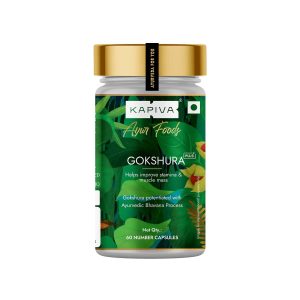
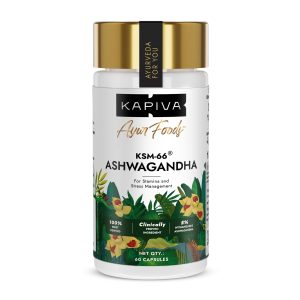
- Kapiva KSM-66 Ashwagandha Capsules
- Kapiva Gokshura Capsules
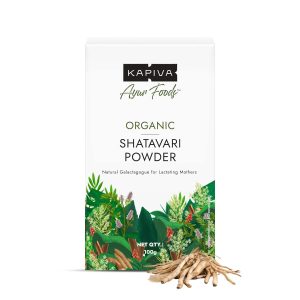
- Kapiva Organic Shatavari Powder
- Himalaya Organic Ashwagandha 670mg
- Himalaya Triphala Capsules
- Dabur Chyawanprakash Sugar Free
- Dabur Triphala Churna
- Organic India Triphala Capsules
All products are authentic Indian brands, sourced directly from India and dispatched within 24–72 hours (UK delivery typically 5–7 working days).
Related guides
Shop the products in this guide
- Patanjali Ashwagandha Capsules — £1.99
- Dabur Shatavari Tablets 60 — £4.99
- Dabur Triphala Churna Powder 120g — £3.99
- Baidyanath Shilajit Capsules 50 — £7.99
Lab-tested, vegetarian, shipped from India. Food supplements should not replace a varied diet.
This guide is general information, not medical advice, and is not an endorsement or ranking of any brand. Herbal products and food supplements are not intended to diagnose, treat or cure any condition. Speak to a pharmacist before taking a herbal product if you are pregnant, breastfeeding, have a medical condition or take medication.
Pingback: Is Ayurveda Safe? UK Guide to Testing & Novel Foods | KantiGlow
Pingback: Budget Ayurveda: Full Routine for £25/Month (UK) | KantiGlow
Pingback: Ayurvedic Gift Guide 2026: Diwali & Christmas (UK) | KantiGlow