Kapha — earth and water — is the dosha of steadiness, strength, patience and warmth, and also of heaviness, slowness and attachment to comfort. Ayurveda says it rises in late winter and spring, and in the early morning, and that its routine should bring in the opposite qualities: lightness, warmth, dryness and movement. This is that routine, adapted to British mornings, in the tradition’s own terms and with no health claims.
The plan at a glance
- Keywords: light, warm, dry, active
- Up by 6am; the most vigorous exercise of the three doshas, in the morning
- Food: light, warm, spiced; pungent, bitter, astringent tastes; less sweet, oily and cold
- Dry massage (garshana) with a silk glove or dry brush before showering
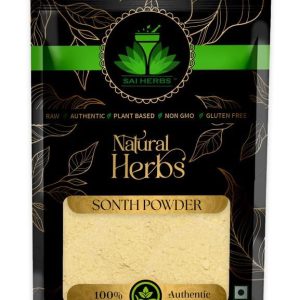
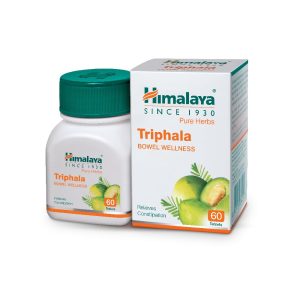
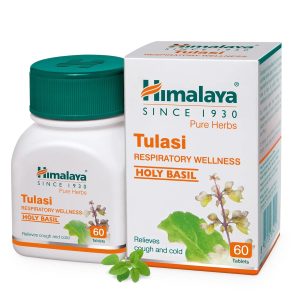
- Herbs traditionally for kapha: ginger, tulsi, triphala, cinnamon, black pepper, guduchi
Quick answers
- How do I know if I am a kapha type?
- What is the kapha daily routine?
- What should kapha types eat?
- Which herbs are traditionally used for kapha?
- What is garshana (dry massage)?
- What aggravates kapha in modern life?
- What is a kapha-pacifying weekly shopping list?
- How does the kapha routine change through the year?
How do I know if I am a kapha type?
Kapha people in the classical description are solidly built, calm, loyal and slow to anger, with thick hair, smooth skin and excellent stamina, but a tendency to sleep long, resist change and gain weight easily. Most people are a blend of two doshas.
What is the kapha daily routine?
5.30–6am: up before the ‘kapha hours’ (6–10am) set in; warm water with ginger and a squeeze of lemon. 6.15am: dry brushing or a silk-glove rub, then a brisk walk, run or a vigorous workout — kapha is the one dosha Ayurveda pushes to sweat. 8am: a light breakfast, or a late one if you are not hungry. 12.30pm: the main meal, warm and well spiced. 4pm: tulsi or ginger tea; no snacking. 6.30–7pm: a light early dinner. 9pm: triphala with warm water. 10pm: bed — and no lie-ins at the weekend.
What should kapha types eat?
Light, warm, dry and spicy: vegetables, pulses, barley, millet, quinoa, apples, pears, honey (raw, not heated), and plenty of spice — ginger, black pepper, cinnamon, turmeric, mustard seed. Reduce dairy, fried food, sweets, cold drinks, wheat and heavy dinners. Pungent, bitter and astringent tastes pacify kapha; sweet, sour and salty aggravate it.
Which herbs are traditionally used for kapha?
Ginger (fresh and dried), tulsi, triphala, trikatu (the three-pepper blend), cinnamon, guduchi and honey. Warming, drying and stimulating herbs rather than heavy nourishing ones; ashwagandha and shatavari are used sparingly. Traditional associations, not claims. A cup of ginger tea and a morning walk is the essential kapha pairing.
What is garshana (dry massage)?
A brisk rub of the whole body with raw-silk gloves or a natural-bristle dry brush before a shower, always towards the heart. It is the kapha alternative to oil massage — stimulating and drying rather than nourishing. Two to three minutes is enough.
What aggravates kapha in modern life?
Lie-ins, desk days without movement, comfort eating, heavy late dinners, cold damp weather without warmth or spice, and daytime naps. The routine addresses each with a small, specific habit.
What is a kapha-pacifying weekly shopping list?
Barley, millet, quinoa, buckwheat; lentils, chickpeas, beans; leafy greens, broccoli, cauliflower, peppers, cabbage; apples, pears, berries, pomegranate; a little honey; ginger, black pepper, cinnamon, turmeric, mustard seed, chilli, cloves; sunflower and pumpkin seeds; oat or almond milk rather than dairy. From the shop: dried ginger, tulsi, triphala, cinnamon. Fewer sweets, fried foods, cheese, wheat and iced drinks.
How does the kapha routine change through the year?
Late winter and spring are kapha’s season, when the routine is strictest: up early, hardest exercise, lightest food, most spice. Summer allows sweeter, cooler food and a gentler pace; autumn, some oil and heavier meals. The constant is movement every morning and no daytime sleep. The tradition also recommends a lighter diet or a gentle cleanse week in early spring — kitchari, warm water, ginger tea — as the seasonal reset for kapha types.
Shop this plan at KantiGlow
- Dry Ginger (Sonth) Powder
- Himalaya Tulasi (Holy Basil)
- Himalaya Triphala Capsules
- Ceylon Cinnamon Capsules
- Jiva Giloy (Guduchi) Capsules
- The Morning Ritual Kit
All products are authentic Indian and UK-labelled brands, sourced directly from India and dispatched within 24–72 hours (UK delivery typically 5–7 working days).
Related guides
Food supplements are not a substitute for a varied, balanced diet and a healthy lifestyle. Do not exceed the recommended daily dose. Keep out of reach of young children. If you are pregnant, breastfeeding, taking medication or under medical supervision, consult a healthcare professional before use. This guide describes traditional Ayurvedic routines and UK labelling rules; it is not medical advice, and nutrient claims apply only to products whose labels show the qualifying amount.
Shop the products in this guide
- Dry Ginger Powder 100g — £4.99
- Ayurvedic Life Triphala Churna Powder 200g — £6.99
- Organic India Cinnamon Capsules — £7.99
- Himalaya Tulsi Tablets 60 — £7.99
Lab-tested, vegetarian, shipped from India. Food supplements should not replace a varied diet.
Pingback: Pitta Daily Routine Plan (UK Ayurveda Guide) | KantiGlow