Magnesium is the most-searched supplement ingredient in Britain, and ashwagandha is the fastest-growing herbal one. Naturally, people ask which to take — usually with evening routines and demanding periods of life in mind. This FAQ compares them fairly: one is a mineral your body needs in measurable amounts, the other is a traditional Ayurvedic root. They are not really rivals, and the UK rules on what each can claim are very different.
Key facts
- Magnesium: essential mineral, UK reference intake 375mg/day, several authorised GB health claims
- Ashwagandha: Withania somnifera root, Ayurvedic rasayana herb, no authorised GB health claims
- Traditional ashwagandha timing: evening, with warm milk
- Can they be combined? Commonly, yes — within labelled doses
Quick answers
- What is the difference between ashwagandha and magnesium?
- Is ashwagandha or magnesium better for sleep?
- Which is better for stress?
- Can I take ashwagandha and magnesium together?
- Which form of magnesium and which form of ashwagandha should I buy?
- When should I take ashwagandha?
- Are there any people who should avoid ashwagandha?
What is the difference between ashwagandha and magnesium?
Magnesium is a mineral found in foods such as nuts, seeds, wholegrains and leafy greens; it is a nutrient with an official daily reference intake. Ashwagandha (Withania somnifera) is a shrub root used in Ayurveda for over three millennia, classified as a rasayana and traditionally associated with strength and steadiness. One is nutrition; the other is a botanical tradition.
Is ashwagandha or magnesium better for sleep?
Under UK advertising law, only claims on the GB Nutrition and Health Claims Register may be made. Magnesium has authorised claims including ‘contributes to normal psychological function’, ‘contributes to normal functioning of the nervous system’ and ‘contributes to the reduction of tiredness and fatigue’. Ashwagandha has none — so no UK seller can lawfully tell you it helps you sleep, and the ASA has ruled against brands that tried. What we can tell you is that in Ayurveda ashwagandha is traditionally taken in the evening, often with warm milk and a pinch of nutmeg, as part of a wind-down routine. Many people who value that tradition take it for exactly that reason.
Which is better for stress?
The same rule applies. Magnesium carries the authorised ‘normal psychological function’ claim; ashwagandha carries no claim, and even the word ‘adaptogen’ is treated by the ASA as a health claim. In the Ayurvedic tradition ashwagandha is the herb historically taken during demanding periods. Our ashwagandha buyer’s guide covers the tradition in more detail.
Can I take ashwagandha and magnesium together?
Yes, and it is common — they do not overlap in what they are. Keep magnesium within the labelled dose (most UK products give 200–375mg) and ashwagandha within its pack directions. If you take prescribed medication, particularly for thyroid, blood pressure or sedation, speak to your pharmacist first.
Which form of magnesium and which form of ashwagandha should I buy?
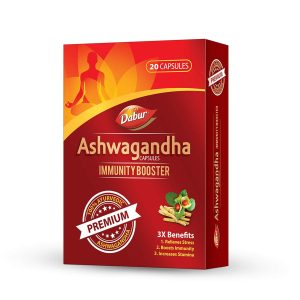
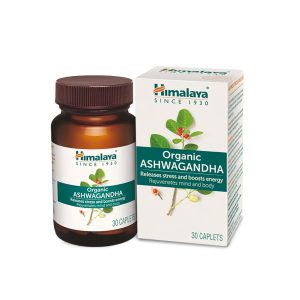
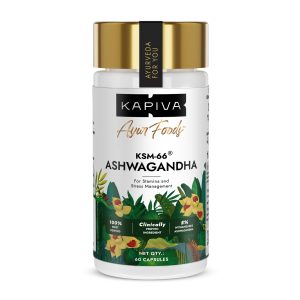
Magnesium comes as citrate, glycinate (bisglycinate), oxide and others; glycinate and citrate are the forms most UK shoppers choose for evening use. Ashwagandha comes as root powder (the traditional churna), root-powder tablets, and standardised extracts such as KSM-66 — see our KSM-66 vs Sensoril vs root powder guide. KantiGlow specialises in the Ayurvedic side: authentic Indian ashwagandha from Himalaya, Kapiva, Dabur and Rasayanam.
When should I take ashwagandha?
Traditionally in the evening with warm milk, though some brands direct twice daily with meals. Follow your pack. Ashwagandha is usually taken as a daily routine over weeks rather than as a one-off.
Are there any people who should avoid ashwagandha?
Ashwagandha is not recommended during pregnancy, and anyone with a thyroid condition, on medication or under medical supervision should ask a doctor or pharmacist before use. Buy from established brands with batch numbers and lab testing — see our note on safety in the Is Ayurveda safe? UK guide.
Shop related products at KantiGlow
- Himalaya Organic Ashwagandha 670mg Tablets
- Kapiva KSM-66 Ashwagandha Capsules
- Dabur Ashwagandha Capsules
- The Evening Wind-Down Kit
All products are authentic Indian brands, sourced directly from India and dispatched within 24–72 hours (UK delivery typically 5–7 working days).
Related guides
Food supplements are not a substitute for a varied, balanced diet and a healthy lifestyle. Do not exceed the recommended daily dose. Keep out of reach of young children. If you are pregnant, breastfeeding, taking medication or under medical supervision, consult a healthcare professional before use. This guide describes traditional Ayurvedic use and UK labelling rules; it is not medical advice.
Shop the products in this guide
Lab-tested, vegetarian, shipped from India. Food supplements should not replace a varied diet.
Pingback: KSM-66 vs Sensoril vs Ashwagandha Root – UK Guide | KantiGlow
Pingback: Magnesium + Ashwagandha Evening Wind-Down Plan (UK) | KantiGlow