Quick answer: As of October 2026, ashwagandha is not banned in the UK and can be sold as a food supplement. The UK government’s Committee on Toxicity (COT) is preparing a safety statement for the Food Standards Agency (FSA), which will then decide whether any restrictions are needed. Most healthy adults tolerate ashwagandha well for up to about three months. Avoid it if you are pregnant or breastfeeding, or have a liver or autoimmune condition, and speak to your GP first if you have a thyroid condition or take regular medication.
Key facts
- Botanical name: Withania somnifera (Indian ginseng, winter cherry)
- Part used: root (the best studied); some products also use leaf
- Traditional use: Ayurvedic rasayana and adaptogen for calm, stamina and sleep
- Doses used in research: usually 240–600 mg root extract a day
- Length of studies: mostly 6–12 weeks
- UK status (Oct 2026): legal food supplement, under COT/FSA safety review; no authorised health claims
Is ashwagandha banned in the UK?
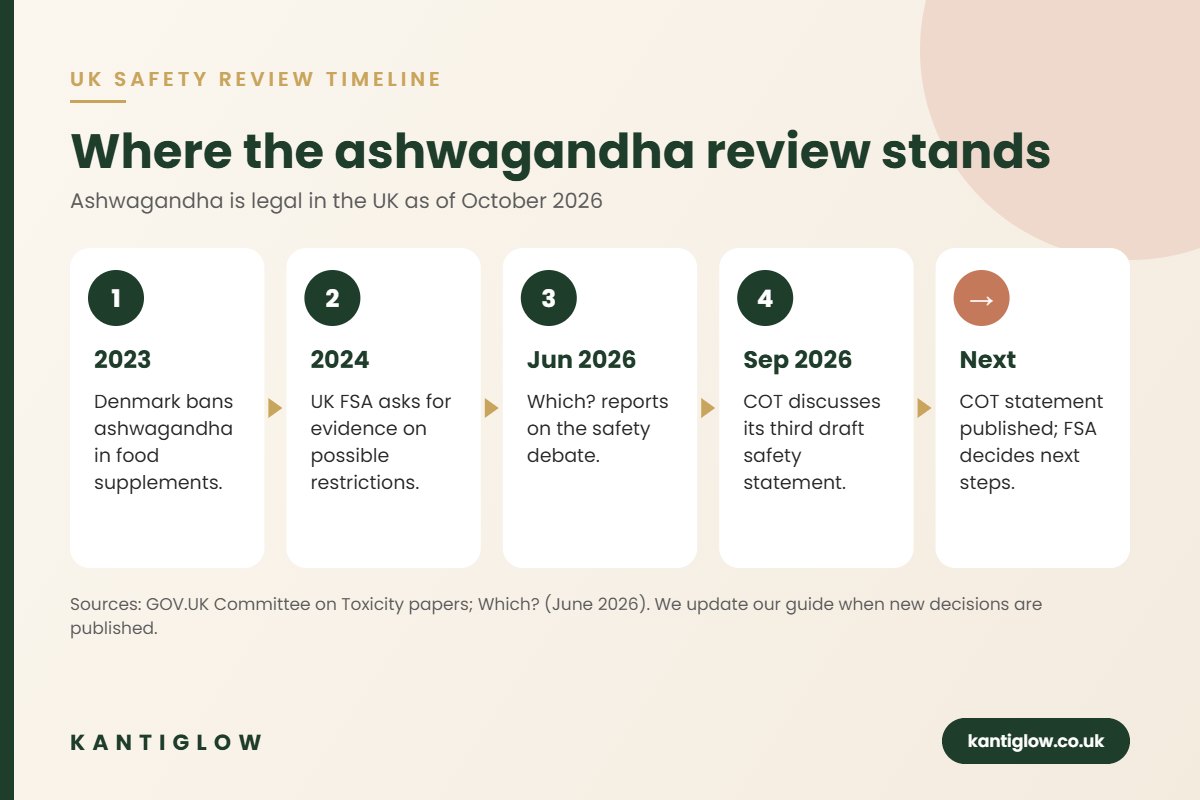
No. Ashwagandha is legal to buy and sell in the UK. In 2024 the FSA asked for evidence on whether ashwagandha supplements should be restricted, after several European countries raised safety concerns. The COT has been reviewing evidence on the liver, thyroid and other effects, and at its 8 September 2026 meeting it discussed a third draft of its statement, which has not yet been published. Elsewhere, Denmark banned ashwagandha in food supplements in 2023, and authorities in France, the Netherlands, Germany and Sweden have advised caution for some groups.
We will update this guide as soon as the COT or the FSA publishes its decision.
Why are regulators looking at ashwagandha?
- Liver: there are rare case reports of liver injury in people taking ashwagandha, some with existing liver disease or using combination products. The FSA has said it cannot yet confirm a direct link.
- Thyroid: some studies and case reports show ashwagandha can raise thyroid hormone levels.
- Pregnancy: there is not enough evidence that it is safe in pregnancy, and some traditional uses raise concern.
Who should not take ashwagandha?
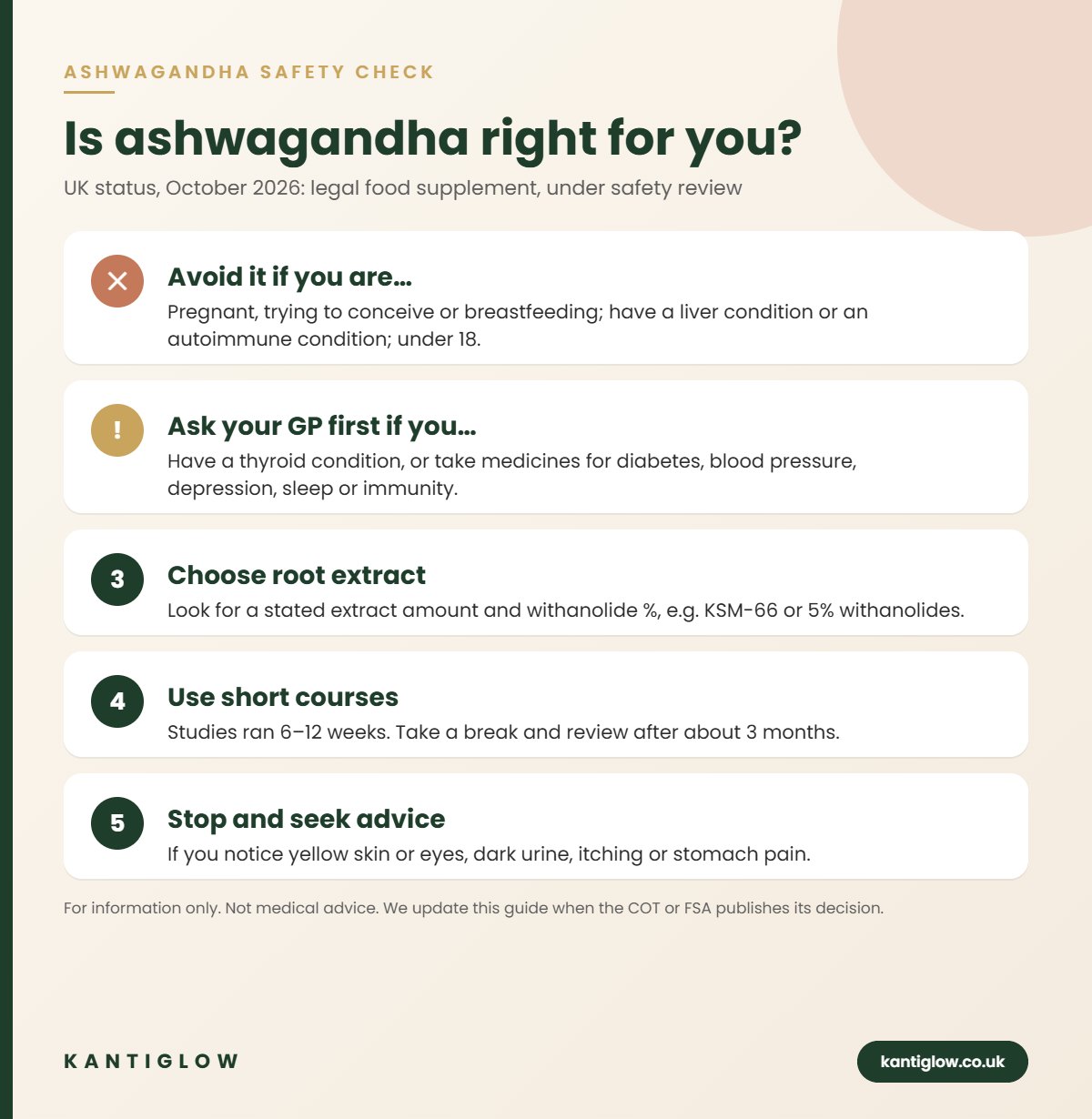
Avoid ashwagandha if you: are pregnant, trying to conceive or breastfeeding; have a liver condition; have an autoimmune condition such as lupus, rheumatoid arthritis or multiple sclerosis; or are under 18.
Speak to your GP or pharmacist first if you: have an underactive or overactive thyroid; take medicines for diabetes, blood pressure, depression or anxiety, sleep, or immune suppression; take blood thinners; have hormone-sensitive prostate cancer; or are due to have surgery.
What does the research say?
Most trials are small, short (30–90 days) and run in India, using different extracts. A 2021 review of seven trials (491 adults) found lower stress scores and lower cortisol than placebo, and a 2021 analysis of five trials (372 adults) found a small improvement in sleep, larger after at least 8 weeks (summarised by the US NIH Office of Dietary Supplements). Long-term safety beyond about three months has not been well studied. Ashwagandha has no authorised health claims in the UK; it is a traditional herb, not a treatment. For dosing detail see Ashwagandha benefits, dosage and how long it takes.
How to choose a quality ashwagandha
- Root only: check the label says root extract. Which? also advises root over leaf.
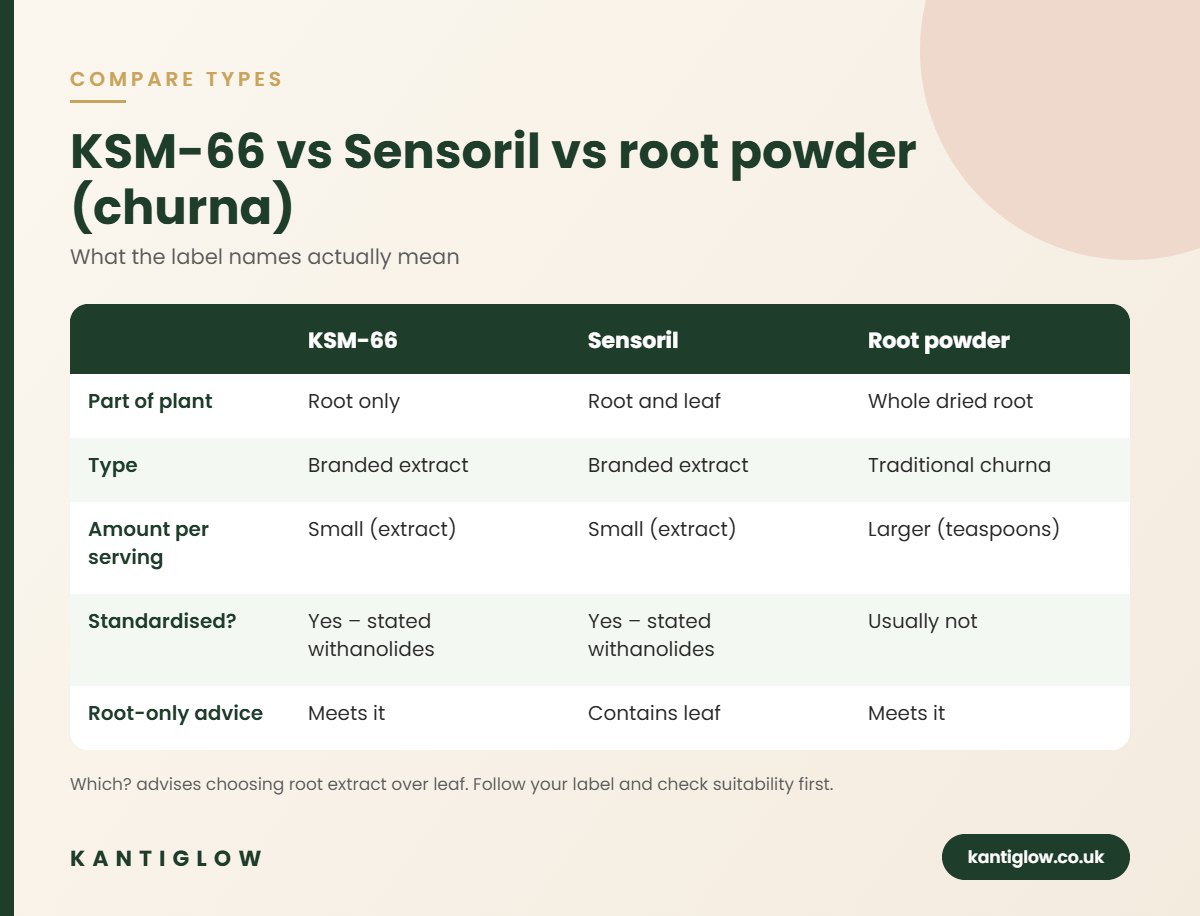
- Stated strength: look for the extract amount (mg) and withanolide percentage, such as KSM-66 or “standardised to 5% withanolides”. Compare types in KSM-66 vs Sensoril vs root powder.
- Simple formula: a single herb or a short ingredient list.
- Trusted brand: choose established brands that test for contaminants.
- Short courses: take it for 8–12 weeks, then pause and review.
Our ashwagandha picks
Root-extract capsules from established Indian brands, plus a traditional churna:
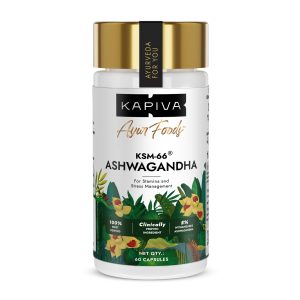
£18.99
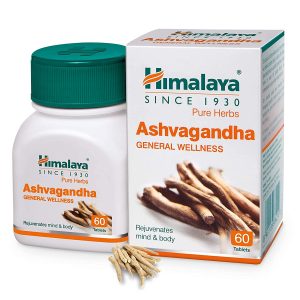
£7.99
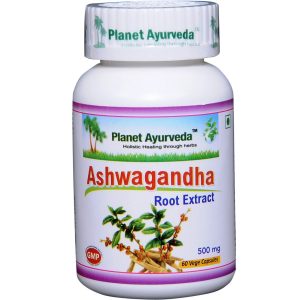
£34.99
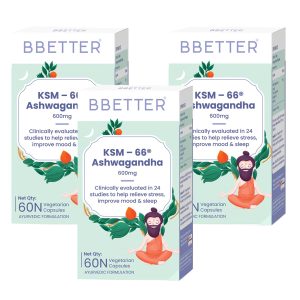
£14.99
Alternatives if ashwagandha isn’t right for you
If ashwagandha is not suitable, some people choose magnesium, which has UK-authorised claims: magnesium contributes to normal psychological function and to a reduction of tiredness and fatigue. Compare them in Ashwagandha vs magnesium or our magnesium glycinate guide. Brahmi and tulsi are other traditional Ayurvedic herbs; always check suitability first.
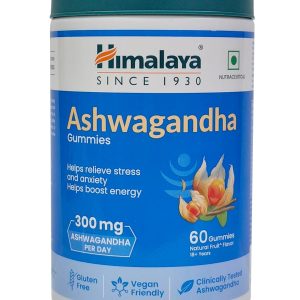
£14.99
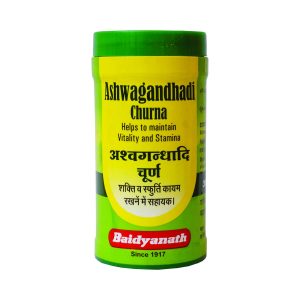
£4.99
£109.00
Frequently asked questions
Is ashwagandha banned in the UK?
No. As of October 2026 ashwagandha is legal to sell in the UK. The Committee on Toxicity is finalising a safety statement, and the FSA will then decide whether any restrictions are needed.
Is ashwagandha going to be banned in the UK?
No decision has been made. The FSA asked for evidence in 2024 and the Committee on Toxicity is still drafting its statement. We will update this page when a decision is published.
Which countries have banned ashwagandha?
Denmark banned ashwagandha in food supplements in 2023. Several other European countries have advised caution for certain groups, such as pregnant women.
Is ashwagandha safe?
Most healthy adults tolerate ashwagandha well for up to about three months at label doses. Long-term safety is not well studied, and some groups should avoid it.
Is it safe to take ashwagandha every day?
Studies have used daily doses for 6–12 weeks. Many experts suggest taking breaks rather than using it continuously for many months.
Is ashwagandha bad for your liver?
Liver injury is rare but has been reported. Avoid ashwagandha if you have a liver condition, and stop and see a doctor if you notice yellow skin or eyes, dark urine, itching or stomach pain.
Does ashwagandha affect the thyroid?
It can raise thyroid hormone levels in some people. If you have a thyroid condition or take thyroid medication, speak to your GP before using it.
Can I take ashwagandha while pregnant?
No. Avoid ashwagandha if you are pregnant or trying to conceive.
Can I take ashwagandha while breastfeeding?
No. There is not enough evidence that it is safe while breastfeeding.
Who should not take ashwagandha?
People who are pregnant, trying to conceive or breastfeeding; people with liver or autoimmune conditions; and under-18s. People with thyroid conditions or on regular medication should ask their GP first.
Can I take ashwagandha with antidepressants?
Speak to your GP or pharmacist first. Ashwagandha may interact with medicines for depression, anxiety and sleep.
Can I take ashwagandha with blood pressure tablets?
Ask your GP or pharmacist first, as ashwagandha may add to the effect of some blood pressure medicines.
Can I take ashwagandha with diabetes medication?
Check with your GP or pharmacist, as ashwagandha may affect blood sugar.
Can I take ashwagandha before surgery?
Stop taking it at least two weeks before planned surgery and tell your surgical team.
What are the side effects of ashwagandha?
The most common are mild: upset stomach, loose stools, nausea and drowsiness.
How much ashwagandha should I take?
Follow the label. Studies have usually used 240–600 mg of root extract a day, often split into two doses.
When should I take ashwagandha, morning or night?
Either works. Many people take it in the evening because it is traditionally used for calm and sleep. Taking it with food can reduce stomach upset.
How long does ashwagandha take to work?
Most studies ran for 6–12 weeks. Effects on sleep were larger after at least 8 weeks.
How long can I take ashwagandha for?
Most research covers up to about three months. Many people take 8–12 week courses with breaks in between.
Should I take a break from ashwagandha?
Yes, many experts suggest pausing after 8–12 weeks and reviewing whether it suits you.
What is KSM-66?
KSM-66 is a branded ashwagandha root extract that has been used in many clinical trials.
Is root or leaf ashwagandha better?
Root extract is the traditional part and the best studied. Which? advises choosing root extract over leaf.
What does “5% withanolides” mean?
It means the extract is standardised so that 5% of it is withanolides, the group of compounds most studied in ashwagandha.
Are ashwagandha gummies as good as capsules?
Gummies are often lower in dose and contain sugar. Capsules usually give a more measured amount of extract.
Is ashwagandha powder (churna) safe?
Traditional churna is whole root powder. It needs a larger amount than extracts. The same safety advice applies.
Can I drink alcohol with ashwagandha?
It is best to avoid it. Both can cause drowsiness, and both are processed by the liver.
Can I take ashwagandha with magnesium?
Many people do, and there are no known problems for most healthy adults. If you take medication, check with a pharmacist first.
Can I take ashwagandha with shilajit?
Many Indian formulas combine them. Check with a pharmacist if you take any medication or have a medical condition.
Can men and women both take ashwagandha?
Yes, but women who are pregnant, trying to conceive or breastfeeding should avoid it.
Can teenagers take ashwagandha?
We do not recommend ashwagandha for under-18s.
Does ashwagandha make you sleepy?
Some people feel drowsy, which is why many take it in the evening. Don’t drive or operate machinery if it makes you sleepy.
Does ashwagandha have UK health claims?
No. There are no authorised health claims for ashwagandha in the UK, so products cannot promise specific effects.
What should I do if I feel unwell on ashwagandha?
Stop taking it and speak to your GP or pharmacist. Seek urgent help for yellow skin or eyes, dark urine or severe stomach pain.
Is Indian ashwagandha safe to buy in the UK?
Choose established brands with clear labels and a stated root extract and strength. Read our guide to reading Indian supplement labels for what to check.
Where can I buy ashwagandha in the UK?
KantiGlow stocks ashwagandha from Kapiva, Himalaya, Planet Ayurveda, Baidyanath and other Indian brands, delivered across the UK.
This guide is for general information only and is not medical advice. Food supplements are not intended to diagnose, treat, cure or prevent any disease and should not replace a varied, balanced diet and healthy lifestyle. Speak to your GP or pharmacist before taking a supplement if you are pregnant, breastfeeding, taking medication or have a medical condition. Last updated: 14 October 2026.