Quick answer: Excessive sweating is common. Often there is no underlying cause, and it tends to affect the armpits, hands, feet or face from a young age. When sweating or feeling hot is new, affects the whole body or happens at night, it can be caused by the menopause, an overactive thyroid, anxiety, an infection or a medicine, and is worth a check with a GP. For everyday control, a strong aluminium-based antiperspirant applied at night, loose natural fabrics, and less alcohol and spicy food make the biggest difference, and a pharmacist can suggest further products. The Ayurvedic routine for hot, intense “pitta” types follows the same lines: keep cool, eat cooling foods, avoid overheating and slow down.
Key facts
- Excessive sweating (hyperhidrosis) can affect the whole body or only certain areas, and may improve with age.
- It can have no obvious cause, be caused by another condition, or be a side effect of a medicine.
- Loose-fitting clothes, socks that absorb moisture and leather shoes help. Tight clothes, synthetic fabrics, alcohol and spicy food make it worse.
- A pharmacist can advise on stronger antiperspirants, sweat shields, foot powders and soap substitutes.
- See a GP if sweating has lasted at least six months, stops you doing daily activities, happens at least once a week or at night, or runs in the family.
- Doshas such as pitta are a traditional Ayurvedic framework, not a medical diagnosis.
Two kinds of sweating
| Primary (no underlying cause) | Secondary (caused by something else) |
|---|---|
| Starts in childhood or the teens | Starts in adulthood, often suddenly |
| Affects specific areas: armpits, palms, soles, face | Affects the whole body |
| Both sides equally | May be one-sided |
| Stops during sleep | Often occurs at night |
| Often runs in families | Comes with other symptoms |
Causes worth checking
- Menopause and perimenopause. Hot flushes and night sweats.
- An overactive thyroid. Feeling hot, sweating, weight loss, a fast heartbeat, shakiness, anxiety.
- Anxiety.
- Medicines. Some antidepressants, hormone treatments, strong painkillers and diabetes medicines.
- Low blood sugar, in people treated for diabetes.
- Infections, including some that cause long-running fevers and night sweats.
- Alcohol, and withdrawal from it.
- Being overweight.
- Pregnancy.
- Rarely, other conditions, including some cancers, which is why drenching night sweats with weight loss should always be checked.
A GP may arrange blood tests for thyroid function, blood sugar and signs of infection.
What helps
Antiperspirant, used properly. Choose a product with aluminium chloride, sold as “strong” or “clinical” antiperspirants. Apply it at night to completely dry skin, and wash it off in the morning. Use nightly until sweating is controlled, then once or twice a week. It can sting; use a moisturiser in the morning and do not apply it to broken or freshly shaved skin. Ordinary deodorant masks smell but does not reduce sweat.
Clothing.
- Loose-fitting clothes in cotton, linen or moisture-wicking fabrics.
- White or black, and patterns, hide sweat marks better than mid-tones.
- Underarm shields or an absorbent undershirt.
- Socks that absorb moisture, changed at least twice a day. Leather shoes, and a different pair on alternate days.
Avoid triggers. Alcohol, spicy food, hot drinks and caffeine can all set off sweating.
Keep cool. A fan, a cool shower, cold water to drink, and layers you can remove.
Look after your skin. Use a soap substitute if skin is sore, dry thoroughly, and use foot powder.
Manage anxiety. Worrying about sweating causes more sweating. Slow breathing helps in the moment.
Lose weight if you need to.
Treatments from a GP or specialist
If self-help has not worked, a GP can refer you to a dermatologist. Options include tablets that reduce sweating, creams, iontophoresis (a weak electric current passed through water to the hands or feet), botulinum toxin injections for the armpits (not always available on the NHS), and, rarely, surgery. If another condition is the cause, treating it usually settles the sweating. For menopausal flushes and sweats, hormone replacement therapy is effective for many women.
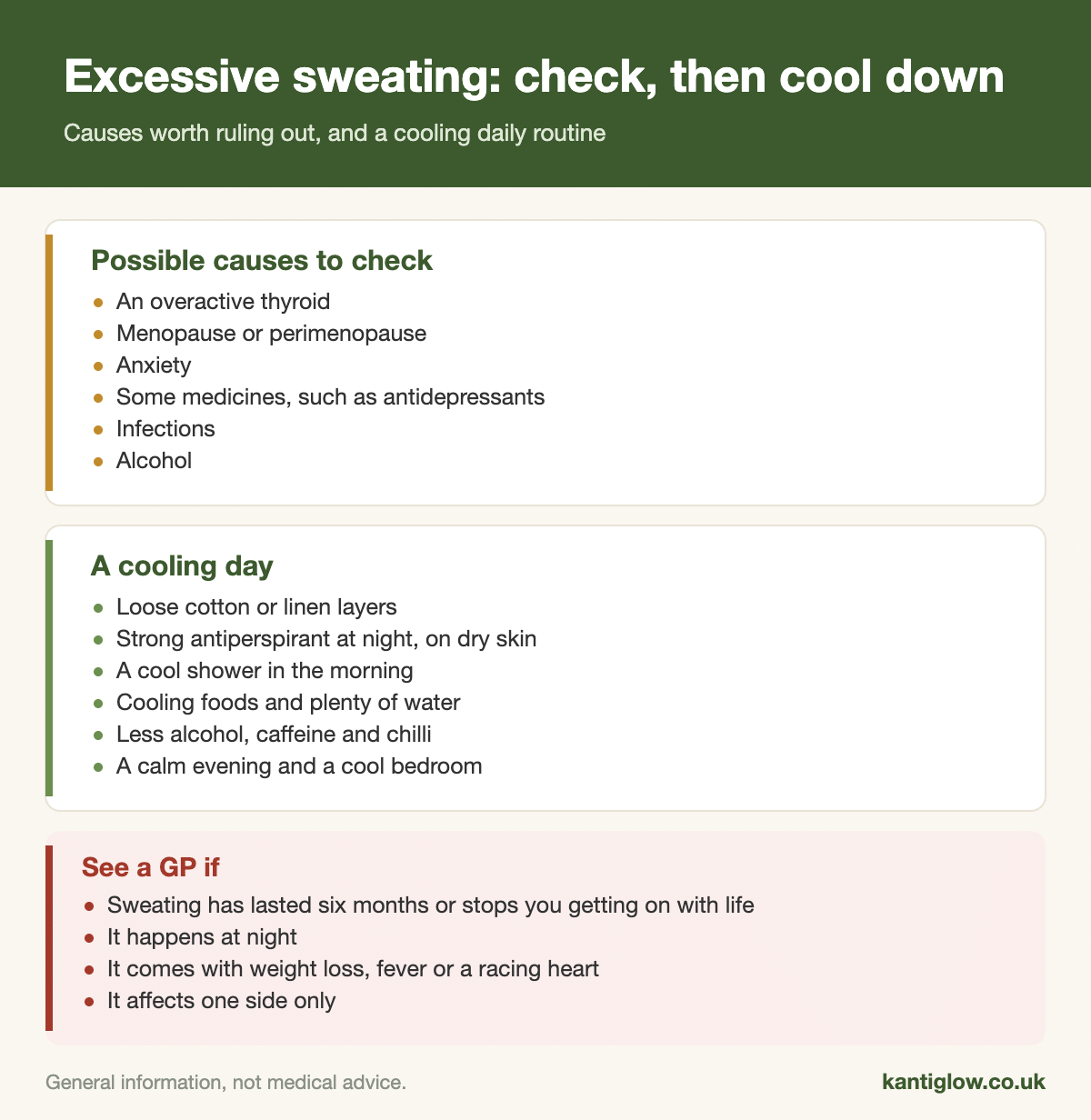
A cooling daily routine
Morning
- Wash off last night’s antiperspirant and take a lukewarm or cool shower.
- Dress in loose, breathable layers.
- Eat a breakfast that is not hot or spicy: fruit, yoghurt, oats, or a mild dosa or upma.
- Exercise early, before the day warms up.
Through the day
- Drink water regularly. Keep a bottle with you.
- Eat lunch as your main meal, at a regular time, and do not skip it. Getting very hungry makes many people hot and irritable.
- Choose cooling foods: salads, cucumber, melon, leafy greens, coconut, rice, moong dal, yoghurt or lassi, coriander, mint and fennel.
- Go easy on chilli, garlic, vinegar, fried food, coffee and alcohol.
- Take short breaks. Step outside or to a cooler room.
- Keep a spare shirt and wipes at work.
Evening
- A lighter supper, not too late.
- A walk in cooler air.
- Wind down without work, argument or intense exercise late in the evening.
- Apply antiperspirant to dry skin before bed.
- Keep the bedroom cool, around 16 to 18°C, with cotton bedding and a lighter duvet.
What is the pitta routine?
In Ayurveda, pitta is the quality associated with heat, sharpness and intensity. People described as pitta types are said to be of medium build, warm to the touch, quick to sweat, with a strong appetite and a tendency to be driven and impatient, and to run hottest in summer. The traditional routine is designed to cool and slow:
| Tradition | In practice | Comment |
|---|---|---|
| Keep cool | Shade, cool showers, loose cotton, moonlit walks | Sensible for anyone who overheats |
| Cooling foods and tastes: sweet, bitter, astringent | Rice, milk, ghee, coconut, cucumber, melon, greens, coriander, fennel | Mild, less spicy food does reduce sweating for many people |
| Avoid hot, sour, salty and fried food, and alcohol | Less chilli, vinegar, pickles and spirits | Matches advice on sweating triggers |
| Regular meals; do not skip lunch | Three meals at fixed times | Helps steady energy and temper |
| Cooling oils | Coconut oil for massage and the scalp | Pleasant. No effect on sweating shown |
| Moderate exercise in the cool of the day | Swimming, walking, gentle yoga | Sensible in warm weather |
| Leisure and calm | Time outdoors, no late-night work | Stress drives sweating |
The dosha idea has not been tested scientifically, and you do not need to identify as pitta to use the routine. Do not let a dosha explanation stand in for a check-up if sweating is new or happens at night.
Herbs and supplements people ask about
| Product | What we know |
|---|---|
| Sage (tea or tablets) | A traditional remedy for sweating, with a few small studies in menopausal flushes. Avoid in pregnancy and epilepsy |
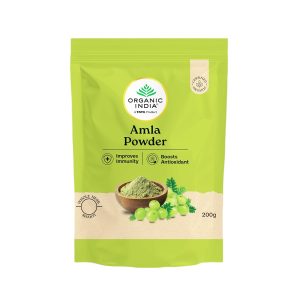
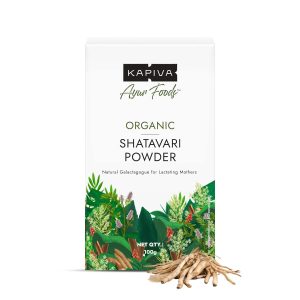
| Shatavari, amla, coriander seed water, fennel | Traditional “cooling” foods and herbs. No evidence for sweating |
| Sandalwood, rose water, vetiver (khus) | Cooling as scents and drinks. No evidence for sweating |
| Neem, aloe vera juice | No evidence for sweating |
| Ashwagandha | Considered warming in Ayurveda. Can affect the thyroid; avoid if yours is overactive |
| Black cohosh, red clover, soy | Used for menopausal flushes. Mixed evidence; ask a pharmacist |
| Magnesium, zinc, B vitamins | No good evidence |
When to see a GP
See a GP if you are sweating excessively and self-help has not worked, it has lasted at least six months, it stops you getting on with daily life, it happens at least once a week, it happens at night, or you take medicine for another condition. Go sooner if sweating comes with weight loss, fever, a racing heart or a cough that will not go. Call 999 for sudden sweating with chest pain, or breathlessness.
Excessive sweating: frequently asked questions
What is excessive sweating?
Sweating more than the body needs to cool down. It is also called hyperhidrosis.
What causes excessive sweating?
Often nothing identifiable. Sometimes the menopause, thyroid problems, anxiety or a medicine.
Why am I always hot?
Build, hormones, thyroid, medicines and anxiety are common reasons.
Is excessive sweating a sign of something serious?
Usually not. New, whole-body or night-time sweating should be checked.
What causes night sweats?
Menopause, infections, medicines, alcohol and, rarely, other conditions.
Can thyroid problems cause sweating?
Yes, an overactive thyroid can.
Can anxiety cause sweating?
Yes.
Which medicines cause sweating?
Some antidepressants, hormone treatments and strong painkillers.
Does the menopause cause sweating?
Yes. Hot flushes and night sweats are common.
Does alcohol cause sweating?
Yes.
Does spicy food cause sweating?
Yes.
Does caffeine cause sweating?
It can.
Does being overweight cause sweating?
It can contribute.
What is the best antiperspirant?
One with aluminium chloride, applied at night to dry skin.
Why apply antiperspirant at night?
Sweat glands are less active, so it works better.
What is the difference between deodorant and antiperspirant?
Deodorant masks smell. Antiperspirant reduces sweat.
What should I wear?
Loose clothes in cotton, linen or moisture-wicking fabric.
How do I stop sweaty feet?
Absorbent socks, leather shoes, foot powder and alternating pairs.
How do I stop sweaty hands?
Antiperspirant at night. A GP can refer you for iontophoresis.
How do I stop sweating on my face?
Avoid triggers. A GP can discuss treatment.
Does botox work for sweating?
Yes, for armpits. It is not always available on the NHS.
Are there tablets for sweating?
Yes, from a specialist.
Does HRT help menopausal sweats?
Yes, for many women.
Does losing weight help?
It can.
Does drinking water reduce sweating?
It keeps you hydrated and helps you stay cool.
Which foods are cooling?
Cucumber, melon, leafy greens, coconut, yoghurt, mint and coriander.
What is pitta?
One of three doshas in Ayurveda, associated with heat and intensity.
How do I know if I am a pitta type?
The description is traditional. You do not need to know to use the routine.
What is the pitta diet?
Cooling, mild food, with less chilli, sour and fried food.
What aggravates pitta?
Tradition says heat, spicy food, alcohol, skipping meals and overwork.
Does coconut oil cool the body?
It feels cooling on the skin. No effect on sweating is shown.
Does sage reduce sweating?
A few small studies suggest it may reduce menopausal flushes.
Does shatavari help hot flushes?
There is very little research.
Does ashwagandha make sweating worse?
It may, if it affects your thyroid. Avoid it with an overactive thyroid.
Do supplements stop sweating?
None is proven.
Does sweating more mean I am unfit?
No. Fit people often sweat sooner.
Does excessive sweating run in families?
Often.
Will it get better with age?
It may.
Is sweating on one side a concern?
Yes. See a GP.
When should I see a GP?
If it has lasted six months, happens at night, or affects daily life.
Sources
Shop this plan at KantiGlow
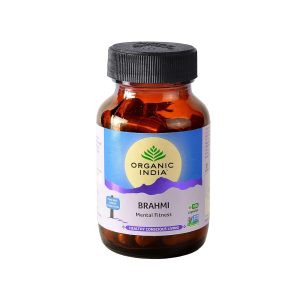
- Organic India Amla Powder 200g
- Kapiva Organic Shatavari Powder
- Organic India Brahmi Capsules
- Jiva Giloy (Guduchi) Capsules
- The Morning Ritual Kit
All products are authentic Indian and UK-labelled brands, sourced directly from India and dispatched within 24–72 hours (UK delivery typically 5–7 working days).
Related guides
Shop the products in this guide
- Organic India Amalaki Capsules 60 — £7.99
- Kapiva Organic Shatavari Powder 100g — £6.99
- Organic India Brahmi Capsules 60 — £6.99
- Organic Soul White Sesame Seeds Capsules 250g — £4.99
Lab-tested, vegetarian, shipped from India. Food supplements should not replace a varied diet.
This guide is general information, not medical advice. Herbal products and food supplements are not intended to diagnose, treat or cure any condition. See a GP about sweating that is new, happens at night or affects your daily life.
Pingback: Vata Daily Routine Plan (UK Ayurveda Guide) | KantiGlow
Pingback: Kapha Daily Routine Plan (UK Ayurveda Guide) | KantiGlow