Quick answer: Feeling the cold more than other people is often down to build, activity and how much you have eaten, and it is more common in women and in older age. It can also be a sign of something treatable: low iron, an underactive thyroid, low body weight, or Raynaud’s, where fingers and toes turn white or blue in the cold. If the feeling is new, getting worse, or comes with tiredness, weight change or colour changes in your fingers, ask a GP for a blood test. For everyday warmth, layers, regular hot meals, movement and warm drinks do the most. The Ayurvedic routine for cold, dry “vata” types is built on the same things: warmth, oil and regular hours.
Key facts
- Greater sensitivity to cold is a symptom of an underactive thyroid, along with tiredness, weight gain, constipation, dry skin and low mood.
- The main symptoms of iron deficiency anaemia are tiredness, shortness of breath, palpitations and pale skin. Some people with anaemia also feel the cold more.
- In Raynaud’s, fingers or toes change colour (white, then blue, then red) when cold or stressed, with pain, numbness or pins and needles.
- Caffeine and smoking can both trigger Raynaud’s symptoms.
- Keeping your home warm, dressing warmly, exercising regularly and avoiding sudden temperature changes all help.
- Doshas such as vata are a traditional Ayurvedic framework, not a medical diagnosis.
Why am I always cold?
Common, harmless reasons
- Body size. Less body fat and muscle means less insulation and less heat production.
- Sex and age. Women tend to have colder hands and feet, and sensitivity to cold increases with age.
- Not eating enough. Digesting food generates heat. Skipping meals and dieting leave you colder.
- Sitting still for long periods.
- Tiredness and short sleep.
- Not drinking enough.
- A cold home.
Medical causes worth checking
- Low iron or anaemia, especially with heavy periods or a vegetarian diet.
- An underactive thyroid.
- Low body weight or an eating disorder.
- Raynaud’s.
- Low vitamin B12.
- Diabetes, which can affect nerves and circulation in the feet.
- Narrowed arteries in the legs, more likely in smokers. Cold feet with calf pain on walking should be checked.
- Medicines, including beta-blockers and some migraine and ADHD medicines.
Raynaud’s explained
Raynaud’s is common and usually harmless. The small blood vessels in the fingers and toes over-react to cold or stress and temporarily narrow. The affected areas turn white, then blue, then red as blood returns, and can hurt, tingle or go numb. Episodes last from minutes to hours.
What helps: keep your whole body warm, not just your hands; wear gloves, warm socks and layers; avoid sudden changes of temperature; exercise regularly; try relaxation or breathing exercises; do not smoke; and cut down on caffeine.
See a GP if symptoms are severe or getting worse, affect your daily life, are on one side only, started after the age of 30, or come with joint pain, rashes or muscle weakness. A GP can prescribe medicine for severe symptoms and check for an underlying condition.
Blood tests worth asking about
If feeling cold is new or comes with other symptoms, a GP may check a full blood count and ferritin for iron, thyroid function, vitamin B12, and blood sugar. These are quick and often give a clear answer.
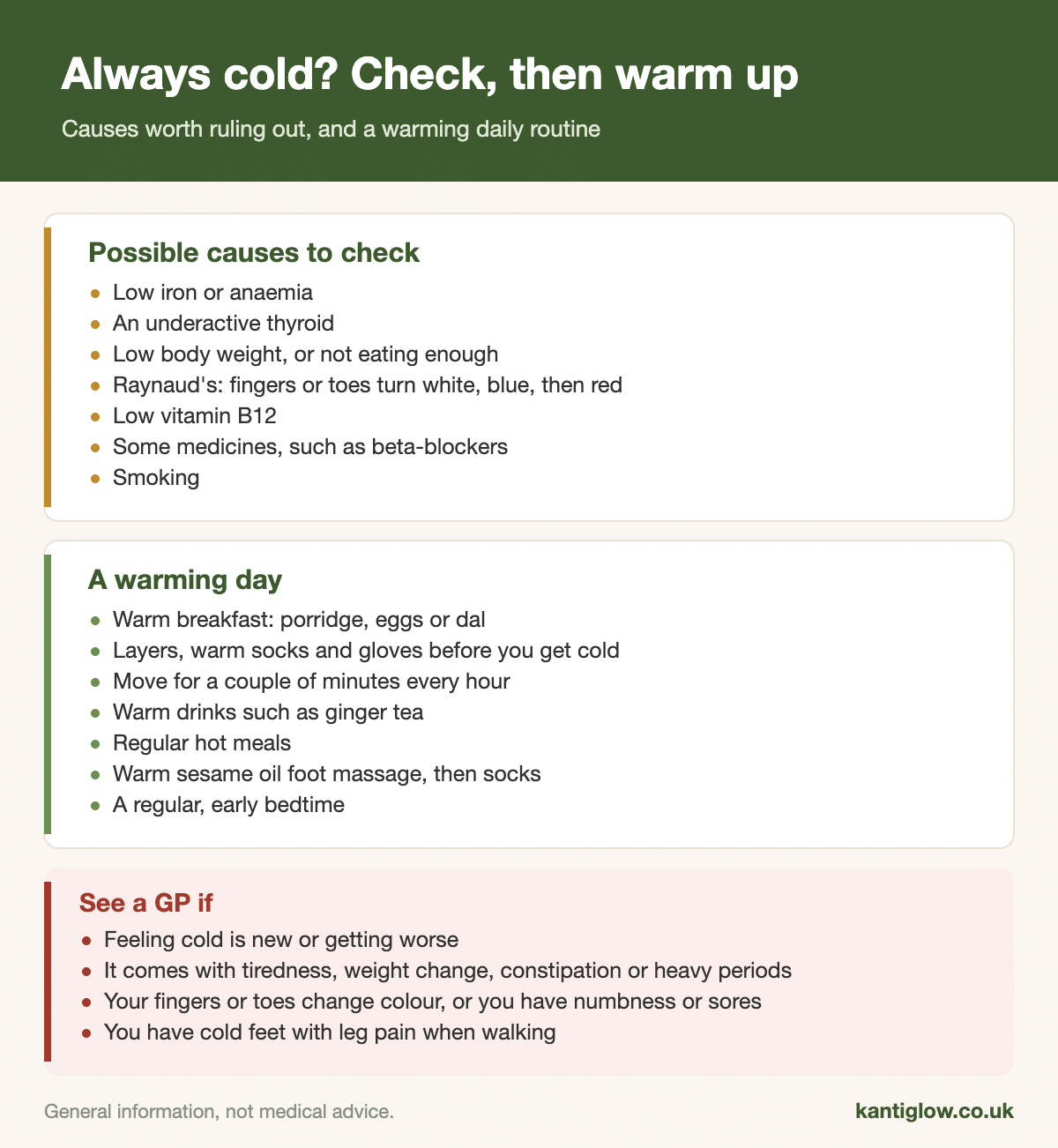
A warming daily routine
Morning
- Start with something warm: porridge, eggs, dal, or toast with a hot drink. Do not skip breakfast.
- Dress in layers, with a vest or thermal base, and put on warm socks before your feet get cold.
- Move for five to ten minutes to get blood flowing.
Through the day
- Eat regular meals, with a hot lunch if you can: soup, dal and rice, stew, or a baked potato.
- Stand up and move for a couple of minutes every half hour to hour. Squeeze and release your hands, circle your ankles, climb the stairs.
- Drink warm drinks: ginger tea, cumin and fennel tea, or hot water. Go easy on coffee and strong tea if you have Raynaud’s.
- Keep gloves, a scarf and a hat with you, and put them on before you go out, not once you are cold.
- Heat the rooms you use to at least 18°C.
Evening
- Eat a warm, cooked supper.
- Take a warm bath or shower, or soak your feet.
- Rub warm sesame oil into your feet and lower legs, then put on socks. Take care not to slip.
- Warm the bed with a hot water bottle or electric blanket.
- Keep a regular, early bedtime.
Do not smoke, and do not warm numb hands or feet on a radiator or with very hot water, because you may not feel a burn. Warm them gradually.
What is the vata routine?
In Ayurveda, vata is the quality associated with cold, dryness, lightness and movement. People described as vata types are said to be slim, to feel the cold, to have dry skin and irregular digestion, and to do best with warmth and routine. The traditional vata routine is:
| Tradition | In practice | Comment |
|---|---|---|
| Warmth | Warm clothes, warm rooms, warm baths | Sensible for anyone who feels the cold |
| Warm, cooked, moist food | Soups, stews, dal, porridge, with ghee or oil | Hot meals raise body heat |
| Warming spices | Ginger, cinnamon, black pepper, cumin | Give a sensation of warmth. Research is limited |
| Oil massage (abhyanga) | Warm sesame oil before bathing | Good for dry winter skin; massage brings blood to the surface |
| Regular hours | Fixed times for meals and sleep | Regular meals and sleep both help |
| Gentle, steady exercise | Walking, yoga | Regular exercise supports circulation |
The dosha idea has not been tested scientifically, and you do not need to identify as vata to use the routine. Do not let a dosha explanation stand in for a blood test if your symptoms are new.
Foods and supplements
- Iron-rich foods every day if your iron is low, with vitamin C alongside.
- Enough calories and protein. Under-eating is a common and overlooked cause of feeling cold.
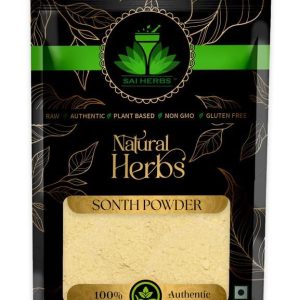
- Ginger. Fresh ginger tea is warming and safe for most people. Large amounts can cause heartburn, and supplements can interact with blood thinners.
- Iron, B12 and thyroid medicine only when a test shows you need them.
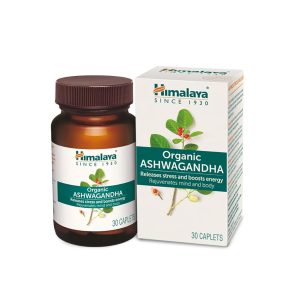
- Ashwagandha is sometimes suggested for vata. It can affect thyroid hormone levels, so avoid it if you have a thyroid condition unless your doctor agrees.
- There is no supplement proven to improve circulation in healthy people.
When to see a GP
See a GP if feeling cold is new or getting worse, or if it comes with tiredness, weight gain or loss, constipation, dry skin, hair loss, heavy periods, breathlessness or low mood. Also go if your fingers or toes change colour, if you have numbness or sores on your feet, or cold feet with leg pain when walking. Call 111 if someone is shivering uncontrollably, confused or very drowsy after being in the cold; call 999 if they are unresponsive.
Always cold: frequently asked questions
Why am I always cold?
Often build, inactivity or not eating enough. Low iron and an underactive thyroid are common medical causes.
Why are my hands and feet always cold?
The body protects its core by reducing blood flow to the extremities. Raynaud’s is a common cause of marked symptoms.
Why do women feel colder than men?
Differences in body composition, hormones and blood flow to the skin.
Does feeling cold mean poor circulation?
Not usually. True circulation problems cause other symptoms too.
Can low iron make you cold?
It can. The main symptoms are tiredness, breathlessness and pale skin.
Can thyroid problems make you cold?
Yes. Sensitivity to cold is a symptom of an underactive thyroid.
Can low B12 make you cold?
It can cause cold, numb or tingling hands and feet.
Does being underweight make you cold?
Yes.
Does dieting make you feel cold?
Yes. Eating less lowers heat production.
Can lack of sleep make you cold?
Yes.
Can dehydration make you cold?
It can contribute.
Can anxiety cause cold hands?
Yes. Stress narrows blood vessels in the skin.
Which medicines cause cold hands and feet?
Beta-blockers and some migraine and ADHD medicines, among others.
What is Raynaud’s?
A condition where fingers and toes change colour and hurt in the cold.
Is Raynaud’s serious?
Usually not. It occasionally signals another condition.
How is Raynaud’s treated?
Mostly by keeping warm. A GP can prescribe medicine for severe symptoms.
Does caffeine make Raynaud’s worse?
It can trigger symptoms.
Does smoking make it worse?
Yes.
What are chilblains?
Small itchy, red swellings on fingers or toes after cold exposure.
What blood tests should I ask for?
Full blood count, ferritin, thyroid function and B12.
How can I warm up quickly?
Move, add a layer, have a hot drink and warm your whole body.
What should I wear?
Several thin layers, warm socks, gloves and a hat.
What temperature should my home be?
At least 18°C in the rooms you use.
Do hand warmers help?
Yes.
Does exercise help?
Yes, in the moment and over time.
Which foods warm you up?
Hot meals, soups, porridge and warm drinks.
Does ginger improve circulation?
It gives a warming sensation. Evidence for circulation is limited.
Does chilli warm you up?
It makes you feel warm, and can make you sweat and cool down.
Does alcohol warm you up?
No. It makes you lose heat faster.
What is vata?
One of three doshas in Ayurveda, associated with cold and dryness.
How do I know if I am a vata type?
The description is traditional. You do not need to know to use the routine.
What is the vata diet?
Warm, cooked, moist foods with warming spices.
What foods does Ayurveda say to avoid?
Cold, raw and dry foods in winter. This is tradition, not medical advice.
Does oil massage warm you up?
It warms the skin and is good for dryness.
Which oil is best?
Sesame is traditional for cold weather.
Does ashwagandha help with feeling cold?
There is no good evidence. Avoid it with thyroid conditions unless advised.
Do circulation supplements work?
None is proven in healthy people.
Should I take iron?
Only if a blood test shows you need it.
Is feeling cold a sign of diabetes?
Cold or numb feet can be. A blood test will check.
Why am I colder since losing weight?
Less insulation and a lower metabolic rate.
Why am I cold after eating?
Blood is diverted to the gut. A hot meal usually has the opposite effect.
Why am I cold at night?
Body temperature falls at night. Warm the bed and wear socks.
Is being cold all the time dangerous?
Not in itself, but a new change should be checked.
When should I see a GP?
If it is new, getting worse, or comes with other symptoms.
Sources
- NHS: Raynaud’s
- NHS: Underactive thyroid symptoms
- NHS: Iron deficiency anaemia
- NHS: Tiredness and fatigue
- NHS: Herbal medicines
Shop this plan at KantiGlow
- Himalaya Organic Ashwagandha 670mg
- Dry Ginger (Sonth) Powder
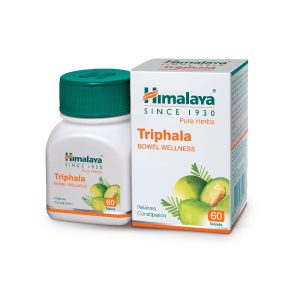
- Himalaya Triphala Capsules
- Kapiva Organic Shatavari Powder
- The Evening Wind-Down Kit
All products are authentic Indian and UK-labelled brands, sourced directly from India and dispatched within 24–72 hours (UK delivery typically 5–7 working days).
Related guides
Shop the products in this guide
- Dry Ginger Powder 100g — £4.99
- Ashwagandha Gummies 30 — £8.99
- Ayurvedic Life Triphala Churna Powder 200g — £6.99
- Organic Soul White Sesame Seeds Capsules 250g — £4.99
Lab-tested, vegetarian, shipped from India. Food supplements should not replace a varied diet.
This guide is general information, not medical advice. Herbal products and food supplements are not intended to diagnose, treat or cure any condition. Speak to a GP if feeling cold is new, getting worse or comes with other symptoms.
Pingback: Pitta Daily Routine Plan (UK Ayurveda Guide) | KantiGlow
Pingback: Kapha Daily Routine Plan (UK Ayurveda Guide) | KantiGlow
Pingback: Ayurveda 7-Day Starter Plan for UK Beginners | KantiGlow