
Dinacharya (‘daily routine’) is the Ayurvedic idea that how you start the day matters more than any single herb. The classical version has a dozen steps and assumes you rise before dawn. This FAQ turns it into something a person in Manchester or London with a 7.30 train can actually do — about fifteen minutes — and explains where triphala, chyawanprash and ashwagandha traditionally fit in.
Key facts
- Dinacharya = Sanskrit for ‘daily routine’
- Core morning steps: rise early, eliminate, tongue scraping, oil pulling, warm water, self-massage (abhyanga), movement, breakfast
- Time needed for the short version: ~15 minutes
- Tools: copper or steel tongue scraper, sesame or coconut oil, a neem comb (optional)
Quick answers
- What is dinacharya?
- What does a 15-minute Ayurvedic morning routine look like?
- How do you use a tongue scraper?
- What is oil pulling and how do I do it?
- Should I drink warm water in the morning?
- Where do Ayurvedic herbs fit into the morning routine?
- What tools do I need to start?
- Is there an evening routine too?
What is dinacharya?
Dinacharya is the Ayurvedic daily routine described in the classical texts. It sets an order for the morning — waking, clearing the senses, cleansing the mouth, warming the body, moving, then eating — and an order for the evening. The tradition holds that regularity itself is a form of wellbeing. It is not a treatment; it is a rhythm.
What does a 15-minute Ayurvedic morning routine look like?
1) Rise at a consistent time and drink a glass of warm water. 2) Scrape the tongue (30 seconds). 3) Oil pull with a tablespoon of sesame or coconut oil while you shower (5–10 minutes), then spit into the bin. 4) Rub warm sesame oil into feet, hands and joints for two minutes (a shortened abhyanga). 5) Five minutes of stretching or a walk to the station. 6) Breakfast — and, if you take them, your morning herbs. That is the whole thing.
How do you use a tongue scraper?
Hold a U-shaped copper or stainless-steel scraper by both ends, place it at the back of the tongue and draw it forward gently, five to seven times, rinsing between strokes. Then rinse your mouth. It takes half a minute and is done before brushing. Traditional scrapers are copper; steel is fine and easier to keep clean.
What is oil pulling and how do I do it?
Oil pulling (gandusha or kavala) is swishing a tablespoon of oil — traditionally sesame, now often coconut — around the mouth for 5 to 20 minutes, then spitting it into a bin (not the sink, where it can set). It is done before brushing, on an empty stomach. Start with five minutes; the taste becomes normal within a week.
Should I drink warm water in the morning?
Yes — a glass of warm water on waking is the simplest and most universal step of dinacharya. Some people add a squeeze of lemon or a slice of ginger. It is a habit, not a remedy, and it costs nothing.
Where do Ayurvedic herbs fit into the morning routine?
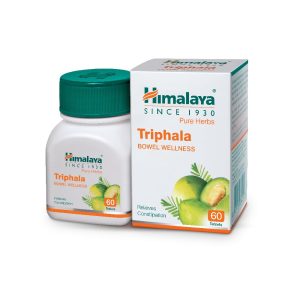
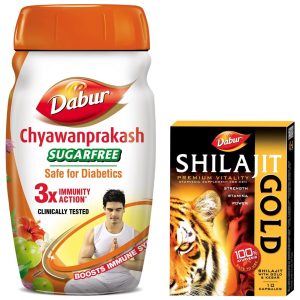
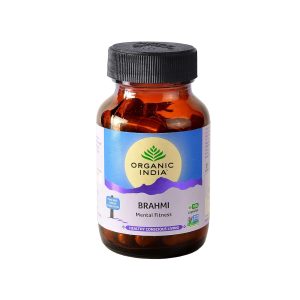
Traditionally: chyawanprash in the morning with warm milk, especially in winter; brahmi or amla in the morning; triphala and ashwagandha in the evening as part of the wind-down. Our Morning Ritual Kit and Evening Wind-Down Kit are built around this traditional split. Always follow each product’s pack directions.
What tools do I need to start?
A tongue scraper (£3–£8), a bottle of cold-pressed sesame or coconut oil, and optionally a neem-wood comb, which the tradition uses for the scalp. Nothing else. The herbs are optional; the routine works without them.
Is there an evening routine too?
Yes: a lighter, earlier dinner; a warm drink such as milk with a pinch of nutmeg or turmeric; ashwagandha or triphala if you take them; screens off; and a consistent bedtime. The evening half of dinacharya is the one most people in the UK find hardest and most rewarding.
Shop related products at KantiGlow
- The Morning Ritual Kit
- The Evening Wind-Down Kit
- Dabur Chyawanprakash Sugar Free
- Himalaya Triphala Capsules
- Organic India Brahmi Capsules
All products are authentic Indian brands, sourced directly from India and dispatched within 24–72 hours (UK delivery typically 5–7 working days).
Related guides
Food supplements are not a substitute for a varied, balanced diet and a healthy lifestyle. Do not exceed the recommended daily dose. Keep out of reach of young children. If you are pregnant, breastfeeding, taking medication or under medical supervision, consult a healthcare professional before use. This guide describes traditional Ayurvedic use and UK labelling rules; it is not medical advice.
Shop the products in this guide
- Organic Soul White Sesame Seeds Capsules 250g — £4.99
- Dabur Triphala Churna Powder 120g — £3.99
- KantiGlow Selection Hing Goli — £3.99
- Dabur Ashwagandha Capsules 20 — £3.99
Lab-tested, vegetarian, shipped from India. Food supplements should not replace a varied diet.
Pingback: Ayurveda 7-Day Starter Plan for UK Beginners | KantiGlow